 Shutterstock
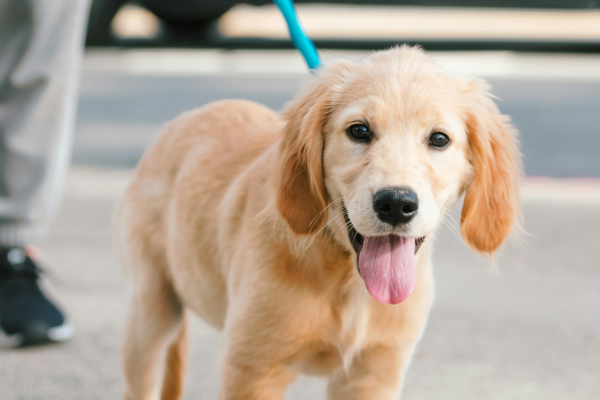
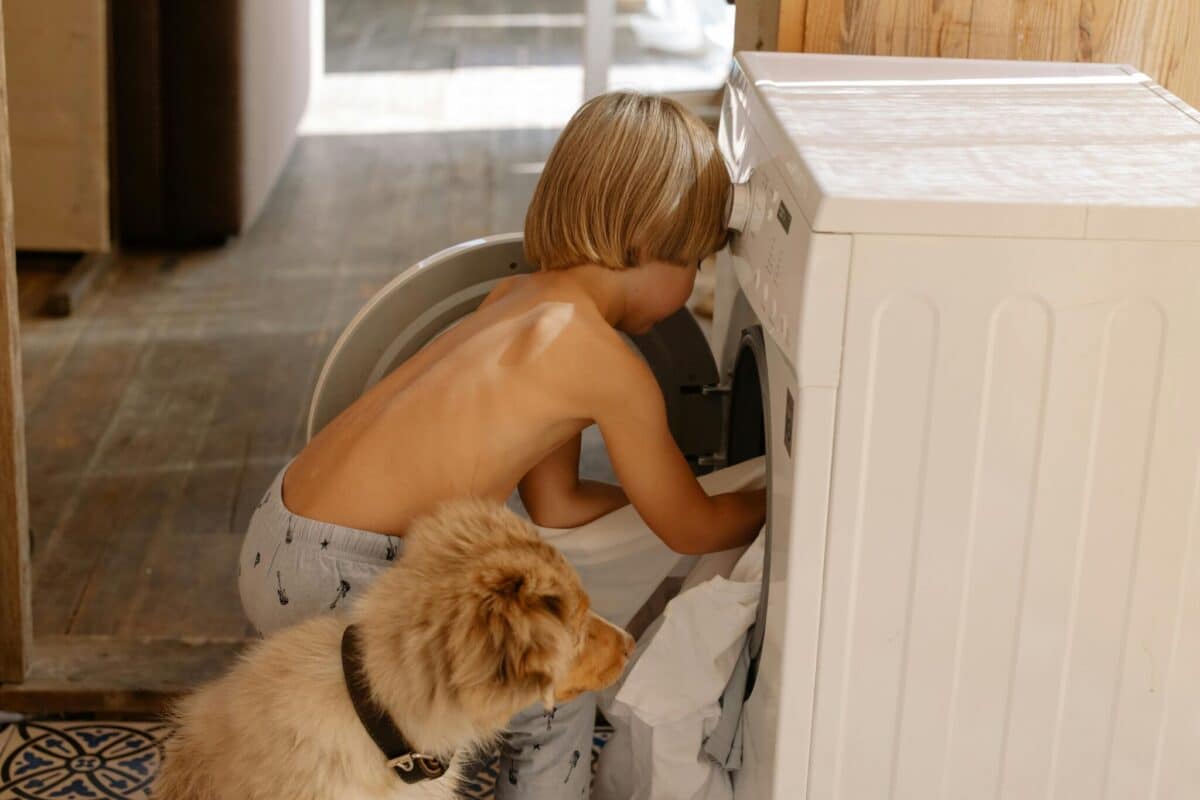
Dogs often exhibit quirky behaviors, and one of the most baffling yet common habits is their tendency to steal dirty laundry. Whether it’s socks, t-shirts, or undergarments, many dogs seem irresistibly drawn to these items, much to their owners’ frustration. While it may appear random or mischievous, this behavior is often driven by various motivations rooted in a dog’s instincts, emotions, and environment. Understanding why dogs steal dirty laundry can help pet owners better manage the behavior and prevent it from becoming problematic.
Seeking Comfort through Scent
 Shutterstock
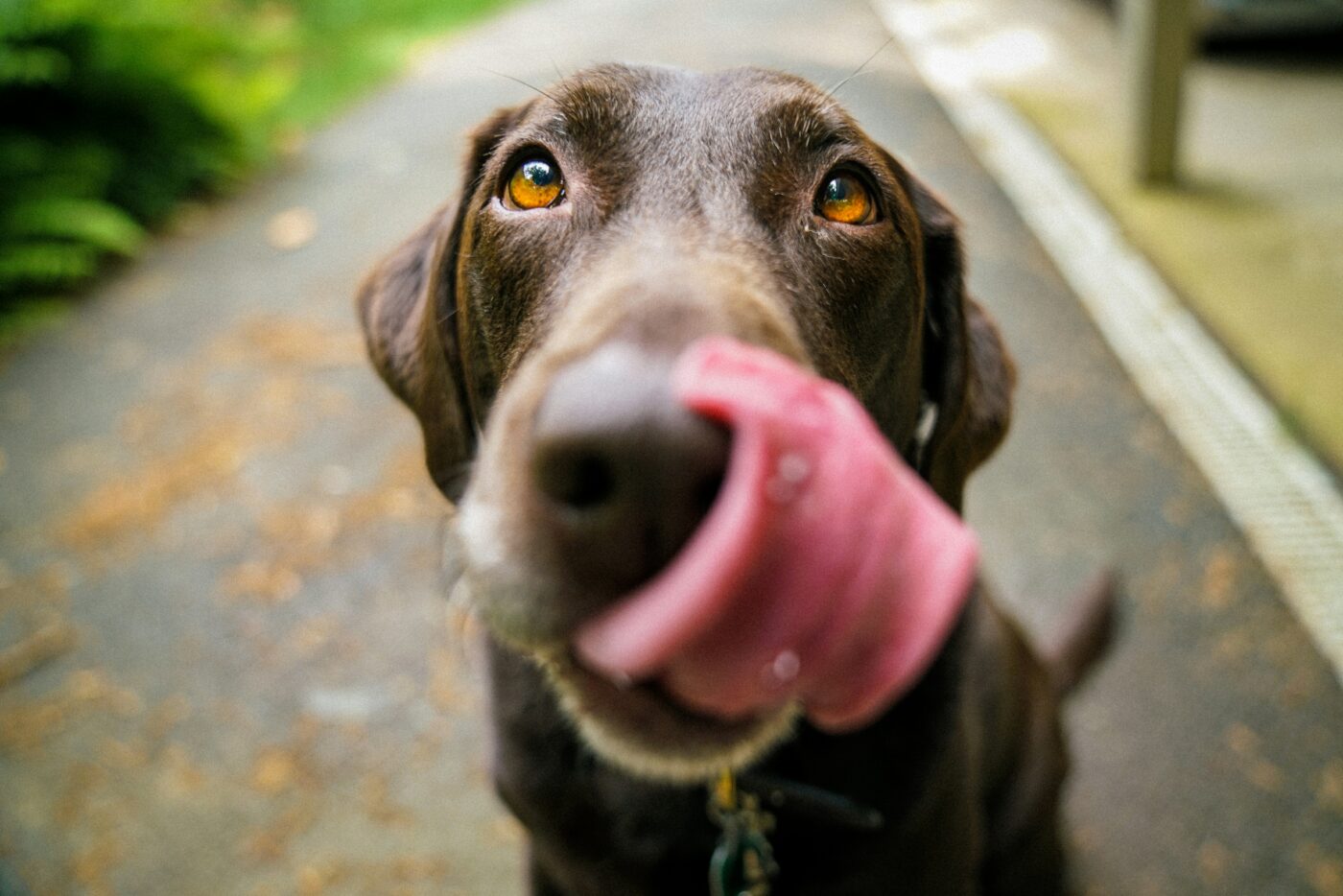
One of the primary reasons dogs steal dirty laundry is that they find comfort in their owner’s scent. Dogs have an incredible sense of smell, and items like worn clothes are saturated with their owner’s scent. By carrying or lying on these items, dogs feel closer to their humans, especially when they are alone. For some dogs, stealing dirty laundry is a way to cope with separation anxiety or feelings of loneliness, as the familiar scent of their owner provides reassurance and comfort.
Attention-Seeking Behavior
 Shutterstock
Dogs are highly social animals, and they thrive on interaction with their owners. In some cases, stealing dirty laundry is an attention-seeking behavior. If a dog notices that taking a sock or piece of clothing prompts a reaction from their owner—whether it’s a chase, scolding, or playful retrieval—they may repeat the behavior to get attention. Even negative attention can reinforce the habit if it provides the dog with the interaction they crave.
A Playful Game
 Shutterstock
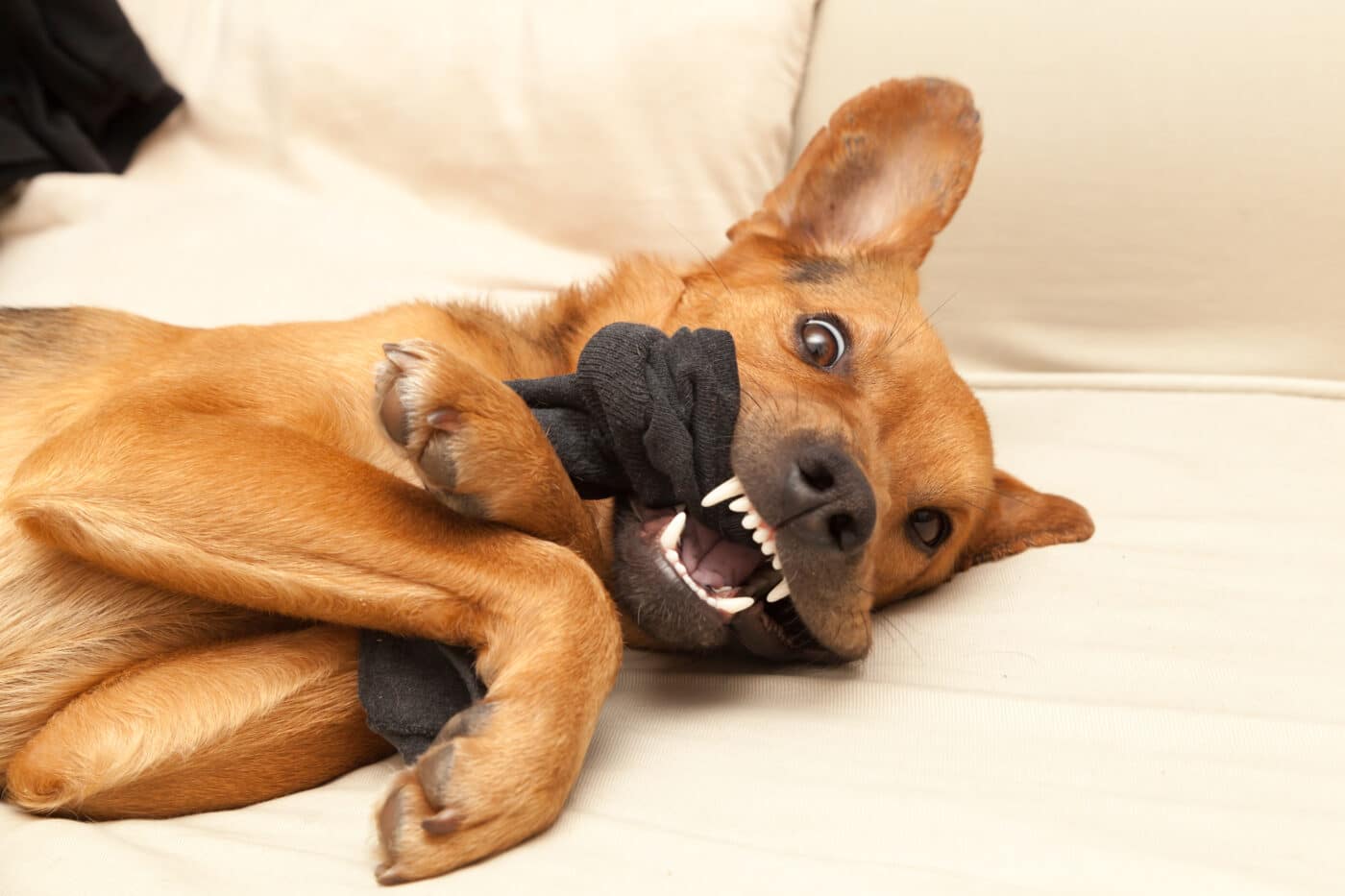
For many dogs, stealing laundry is simply part of a fun game. Dogs enjoy playing chase, and when they grab an item of clothing and run with it, they often entice their owners into joining the chase. This behavior taps into a dog’s natural play instincts, turning the stolen laundry into a prized toy or trophy. The act of running with the item and being pursued by its owner makes the game even more exciting for the dog.
Possessiveness and Resource Guarding
 Shutterstock
Some dogs may steal dirty laundry as a form of possessiveness or resource guarding. In these cases, the dog may view the item as a valuable resource and will guard it to prevent others from taking it away. This behavior is more common in dogs with a strong instinct to protect their belongings. When they steal a piece of clothing, they may become defensive if someone tries to retrieve it, indicating that they see it as something worth protecting.
Teething or Chewing Needs
 Shutterstock
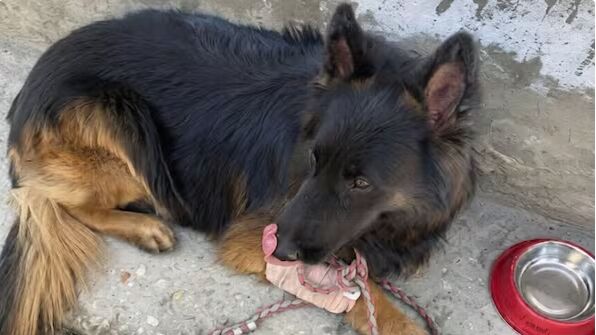
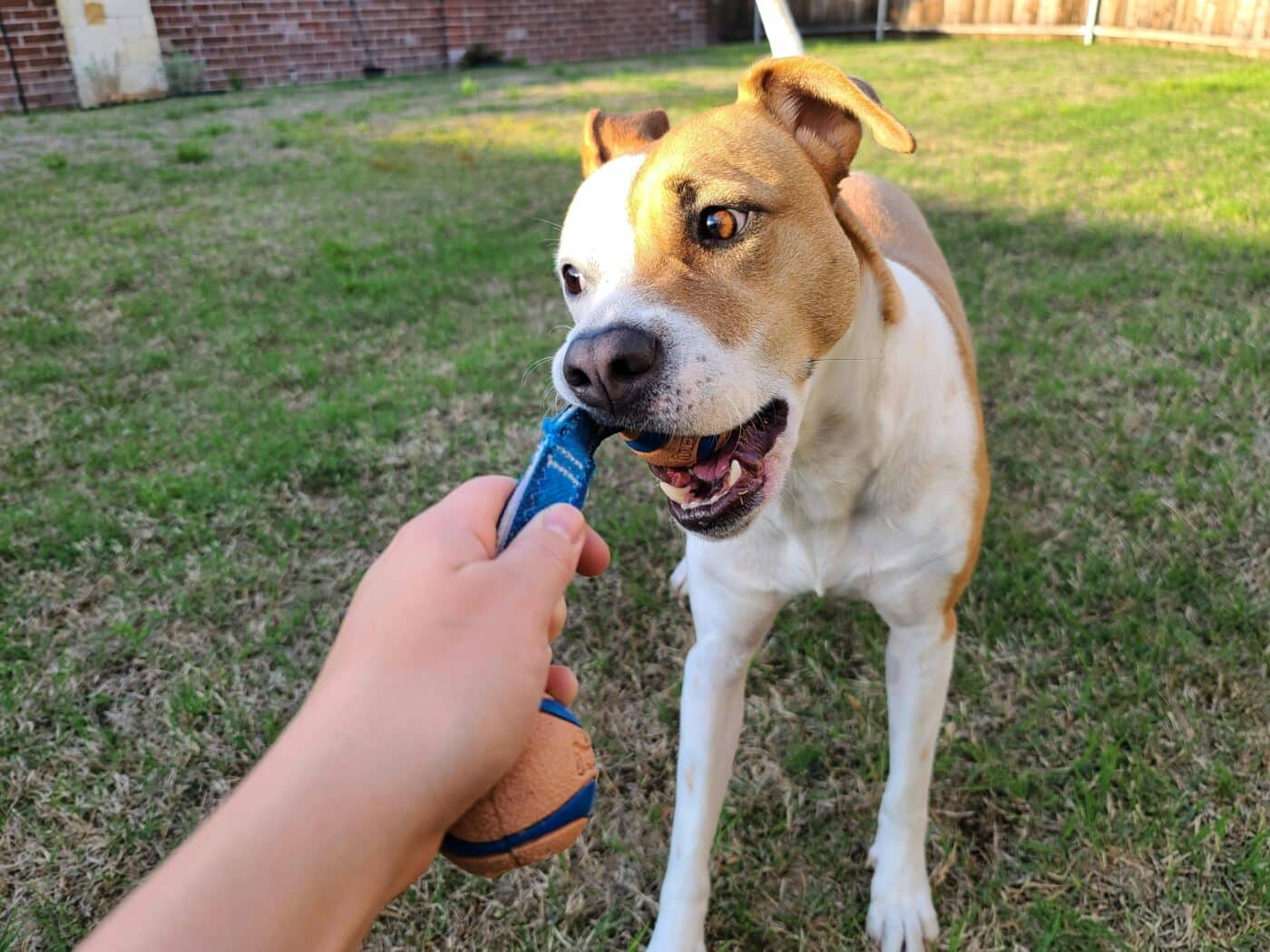
Puppies, in particular, are known for their tendency to chew on anything they can get their teeth on, and dirty laundry is no exception. During the teething phase, puppies experience discomfort in their gums, which they try to alleviate by chewing. Soft, flexible items like socks or t-shirts are ideal for satisfying this need. Adult dogs with strong chewing instincts may also steal laundry for the same reason, especially if they lack access to appropriate chew toys.
Anxiety and Stress Relief
 Shutterstock
Dogs that experience anxiety or stress may engage in behaviors that provide them with comfort, and stealing laundry can be one of them. Just as some dogs chew on furniture or scratch at doors when they’re anxious, others might take their owner’s clothing and carry it around the house. The combination of their owner’s scent and the act of chewing or holding the laundry helps relieve the dog’s stress, making the behavior a coping mechanism for managing anxiety.
Boredom and Lack of Stimulation
 Shutterstock
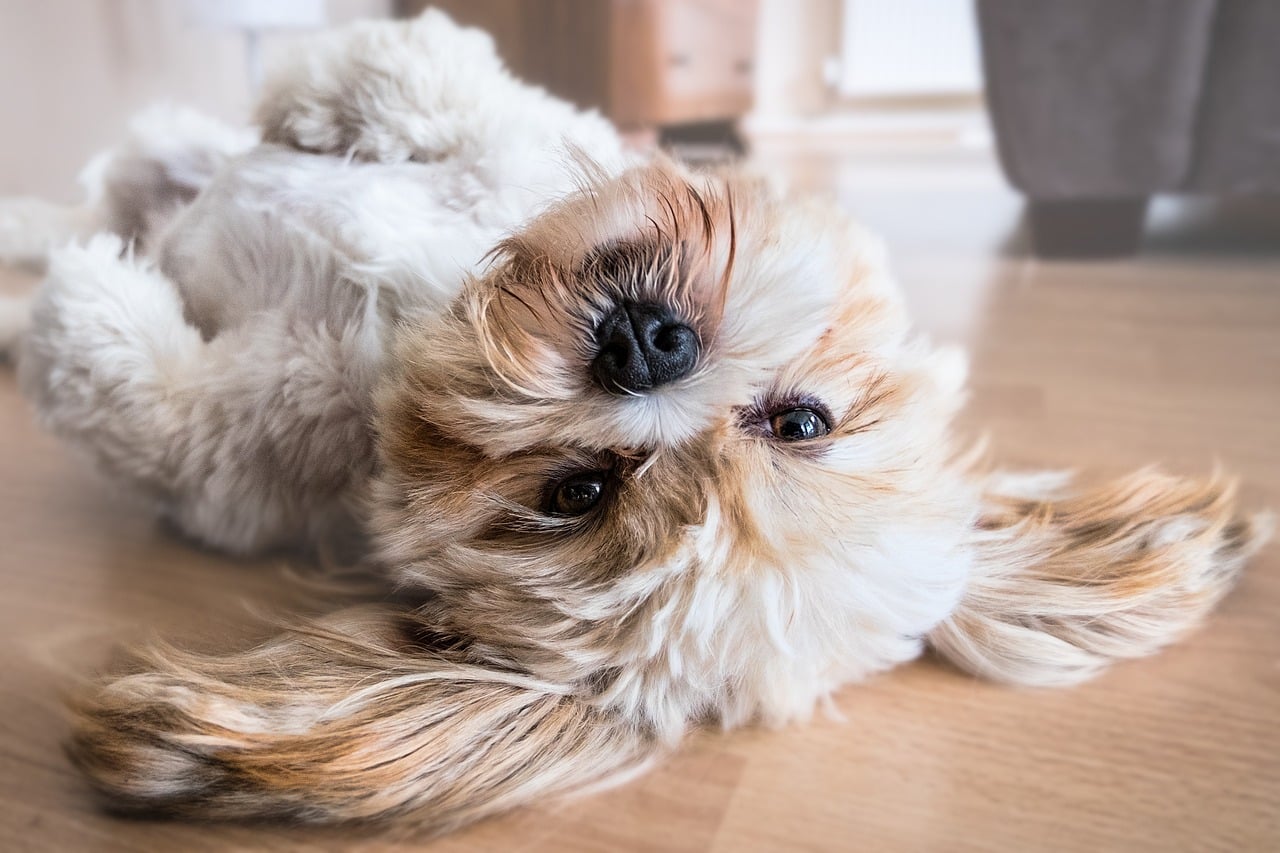
Dogs that are bored or understimulated may resort to stealing laundry as a way to entertain themselves. When dogs lack mental and physical stimulation, they are more likely to engage in destructive or mischievous behaviors to alleviate their boredom. Dirty laundry is easily accessible and can provide a sense of novelty and excitement. By stealing and playing with these items, the dog creates their own form of entertainment in an otherwise dull environment.
Exploring the World through Smell and Taste
 Shutterstock
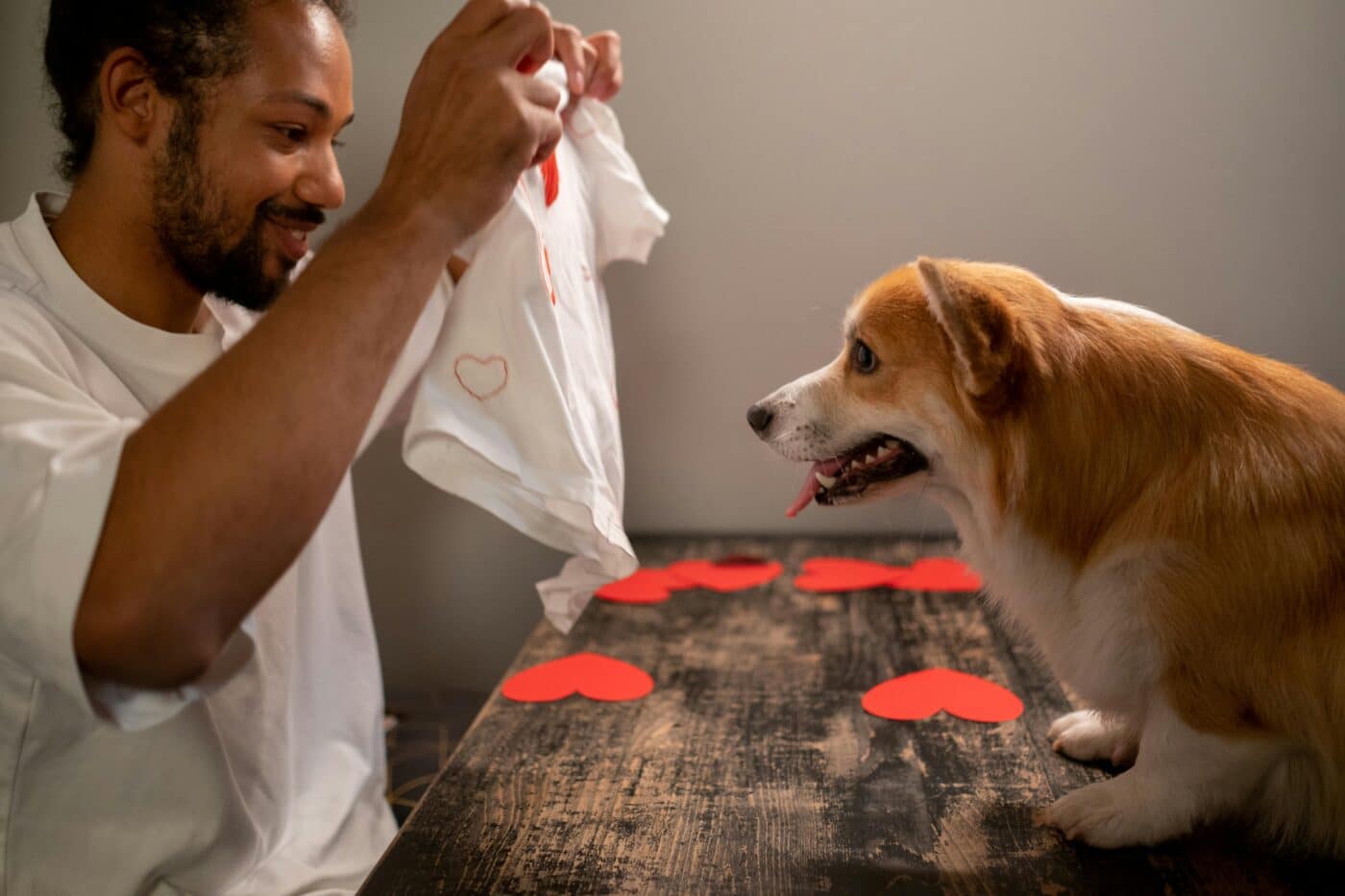
Dogs explore their environment primarily through their noses and mouths. For some dogs, stealing laundry is simply a way to investigate new smells and textures. Dirty clothes carry a variety of scents, including those from the owner’s body, environment, and activities. By taking these items, the dog satisfies their natural curiosity and desire to explore the world around them. This is particularly common in younger dogs and puppies who are still learning about their surroundings.
Natural Hunting and Retrieval Instincts
 Shutterstock
Many dog breeds have strong hunting or retrieval instincts, which can drive them to steal items like laundry. Retrievers, for example, are bred to fetch and carry objects in their mouths. Stealing laundry may be an outlet for these instincts, as the dog feels compelled to retrieve and hold onto items, much like they would with prey in the wild. Even if a dog hasn’t been trained as a retriever, these instincts can still manifest in behaviors like stealing socks or other clothing.
Scent Marking and Territory Claiming
 Shutterstock
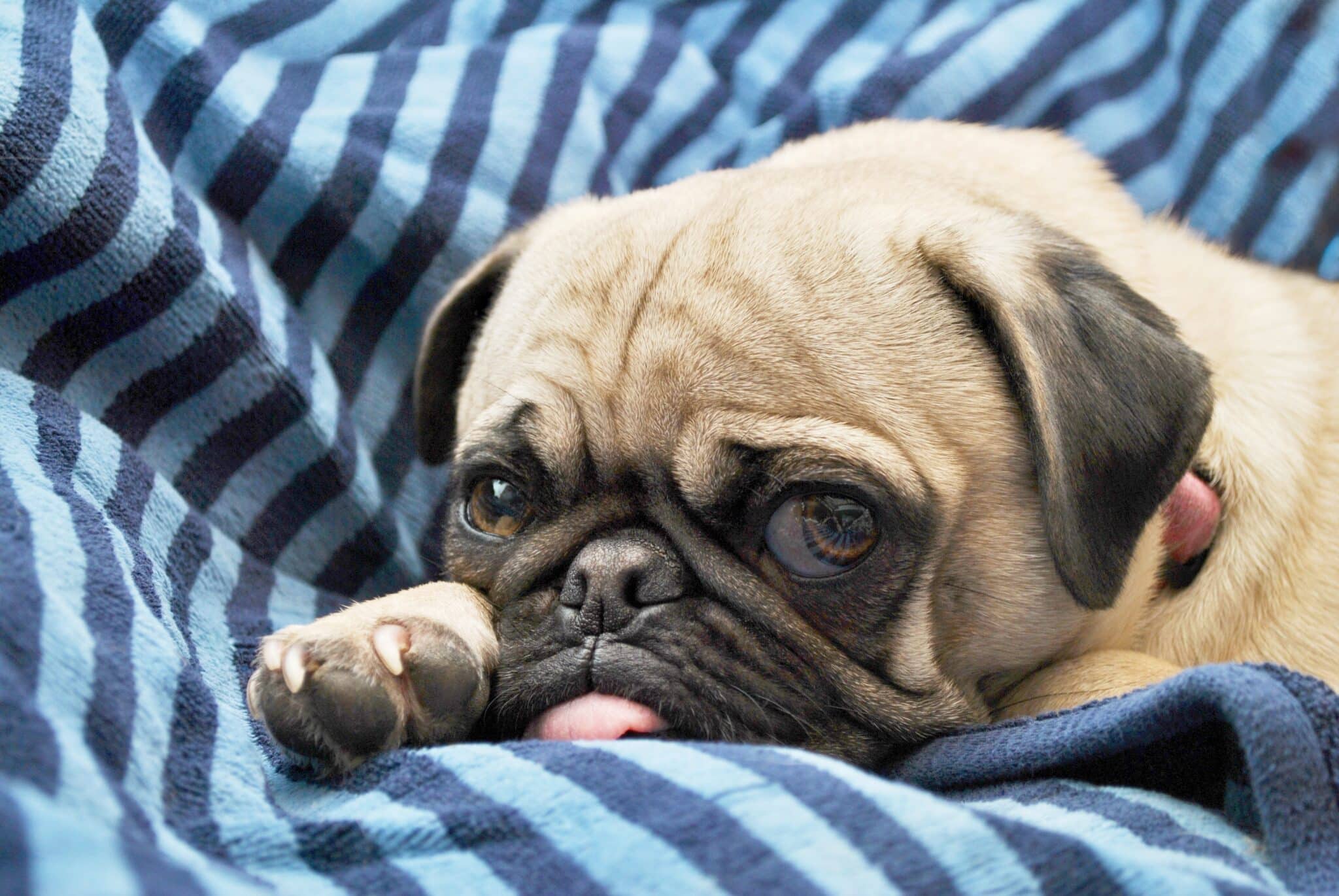
In some cases, dogs may steal laundry for scent marking or territory claiming. By taking and keeping an item of clothing, the dog leaves their own scent on it, effectively marking it as their possession. This behavior can be seen in dogs that are particularly territorial or possessive, as they may feel the need to claim items that carry their owner’s scent. This is especially true in multi-pet households, where resource competition can lead to more pronounced territorial behaviors.
Lack of Boundaries or Training
 Shutterstock
Dogs not properly trained or given clear boundaries may steal laundry simply because they don’t understand that it’s off-limits. Without guidance, dogs may view laundry as just another object to play with, especially if it’s left within easy reach. In these cases, the behavior can be addressed through consistent training and using commands like “leave it” or “drop it” to teach the dog that laundry is not a toy.
Behavioral Reinforcement from Previous Owners
 Shutterstock
If a dog has been rehomed or adopted from a shelter, they may have developed the habit of stealing laundry from their previous environment. In some cases, former owners may have unintentionally reinforced the behavior by laughing, chasing, or playing along with the dog when they took clothing items. This learned behavior can persist even in a new home, as the dog associates stealing laundry with positive or exciting outcomes.
Seeking Warmth and Softness
 Shutterstock
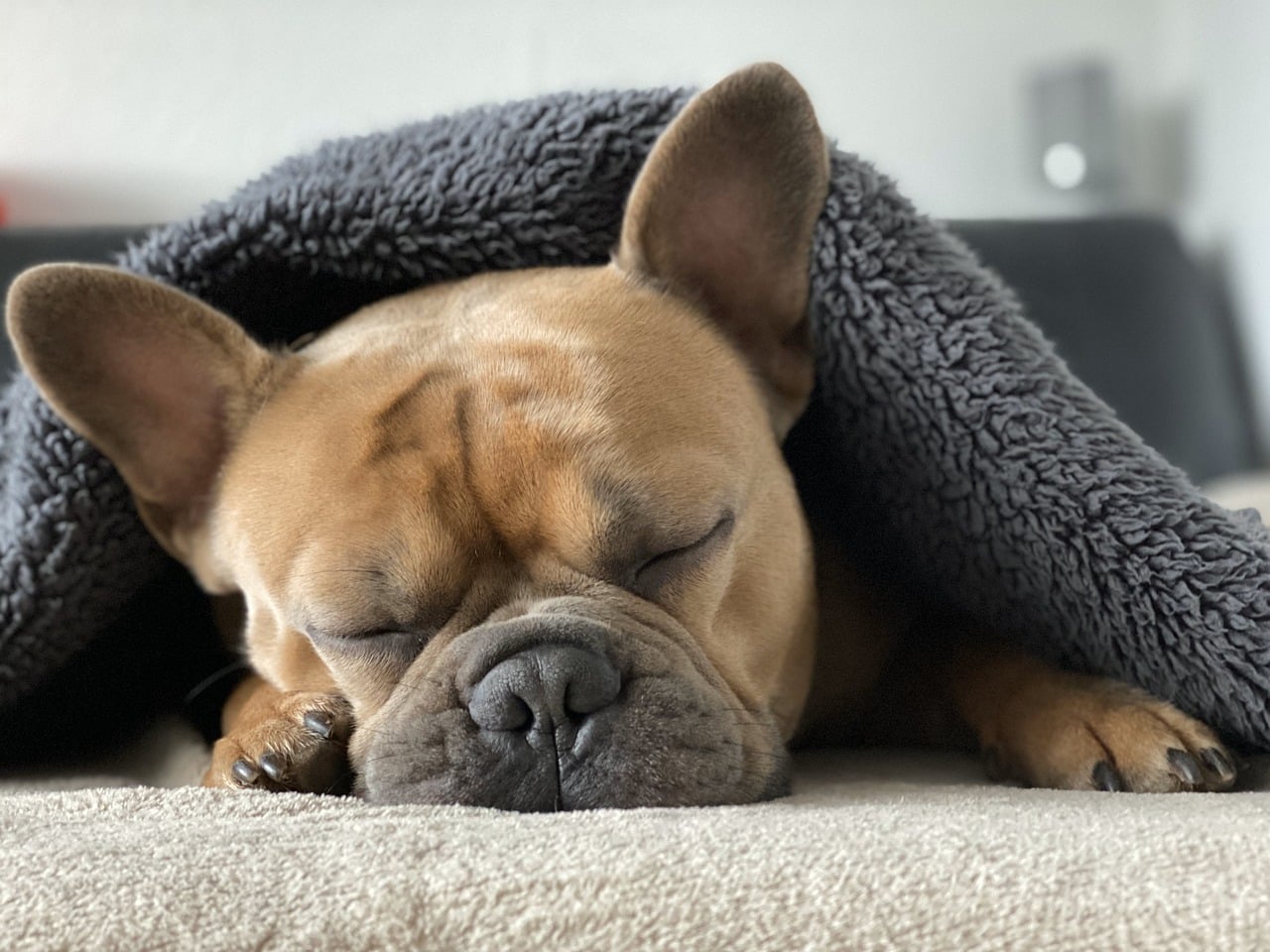
Dirty laundry provides dogs with warmth and softness, making it an appealing choice for nesting or sleeping. Dogs seeking comfort may steal laundry to create a cozy bed for themselves. This behavior is particularly common in dogs that enjoy burrowing or nesting, as the soft texture and warmth of the laundry mimic the comfort of a blanket or pillow. For some dogs, stealing laundry is simply about creating a comfortable relaxing space.
Separation Anxiety
 Shutterstock
Dogs that suffer from separation anxiety often engage in behaviors that help them cope with being left alone, and stealing laundry can be one of these behaviors. Items that carry their owner’s scent provide comfort when the dog feels anxious or lonely. Dogs with separation anxiety may steal clothing and keep it close to them while their owner is away as a way to feel connected. This behavior is often accompanied by other signs of anxiety, such as excessive barking, pacing, or destructive chewing.
Exploring Textures
 Shutterstock
For dogs, different textures can be fascinating. Dirty laundry, with its soft fabric and pliable nature, offers an interesting texture for dogs to explore. Some dogs are naturally drawn to tactile experiences, and carrying or chewing on clothing can satisfy their need for sensory stimulation. The feeling of fabric between their teeth or paws may be soothing or entertaining, encouraging the dog to continue stealing and playing with laundry.
The Mystery Behind Laundry Theft
 Shutterstock
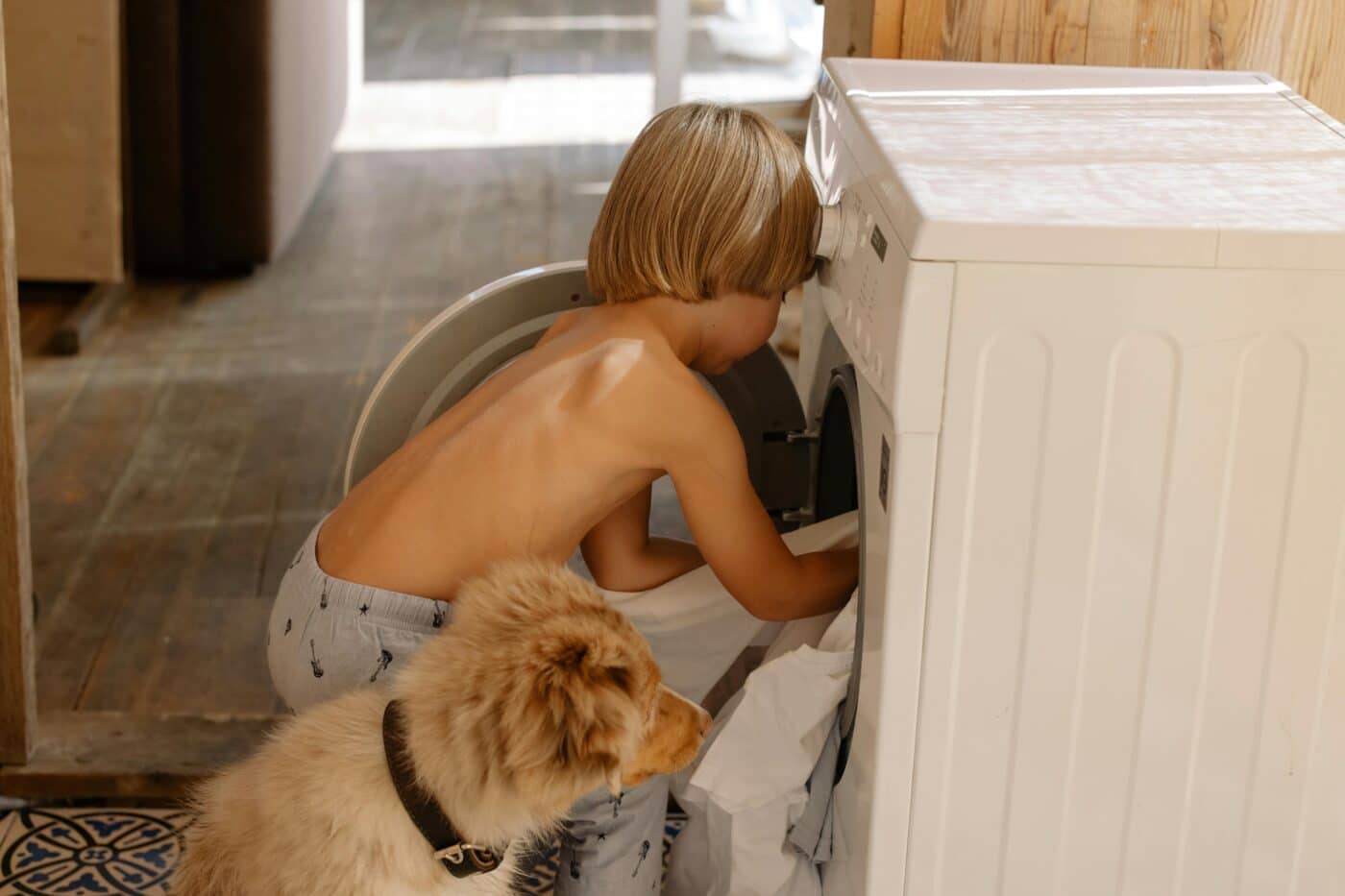
Understanding the reasons why dogs steal dirty laundry reveals a range of motivations, from seeking comfort to relieving boredom or anxiety. While this behavior can be frustrating, it often stems from instinctual drives or unmet needs. By recognizing the underlying causes, pet owners can take steps to redirect their dog’s energy into more appropriate outlets. Providing proper training, mental stimulation, and physical exercise can help reduce laundry theft and ensure that dogs are happy, healthy, and less likely to turn to mischievous behaviors for entertainment.