 Shutterstock
Just like humans, dogs can experience emotional ups and downs. While they’re often happy and energetic, certain circumstances may lead to sadness or depression. As a pet owner, it’s important to recognise changes in your dog’s behaviour that could signal depression. Triggers can include changes in the environment, the loss of a companion, or shifts in routine. Identifying signs of depression early allows you to take steps to improve your dog’s mental and emotional well-being, ensuring they receive the care and support they need to feel better.
Decreased Appetite
 Shutterstock
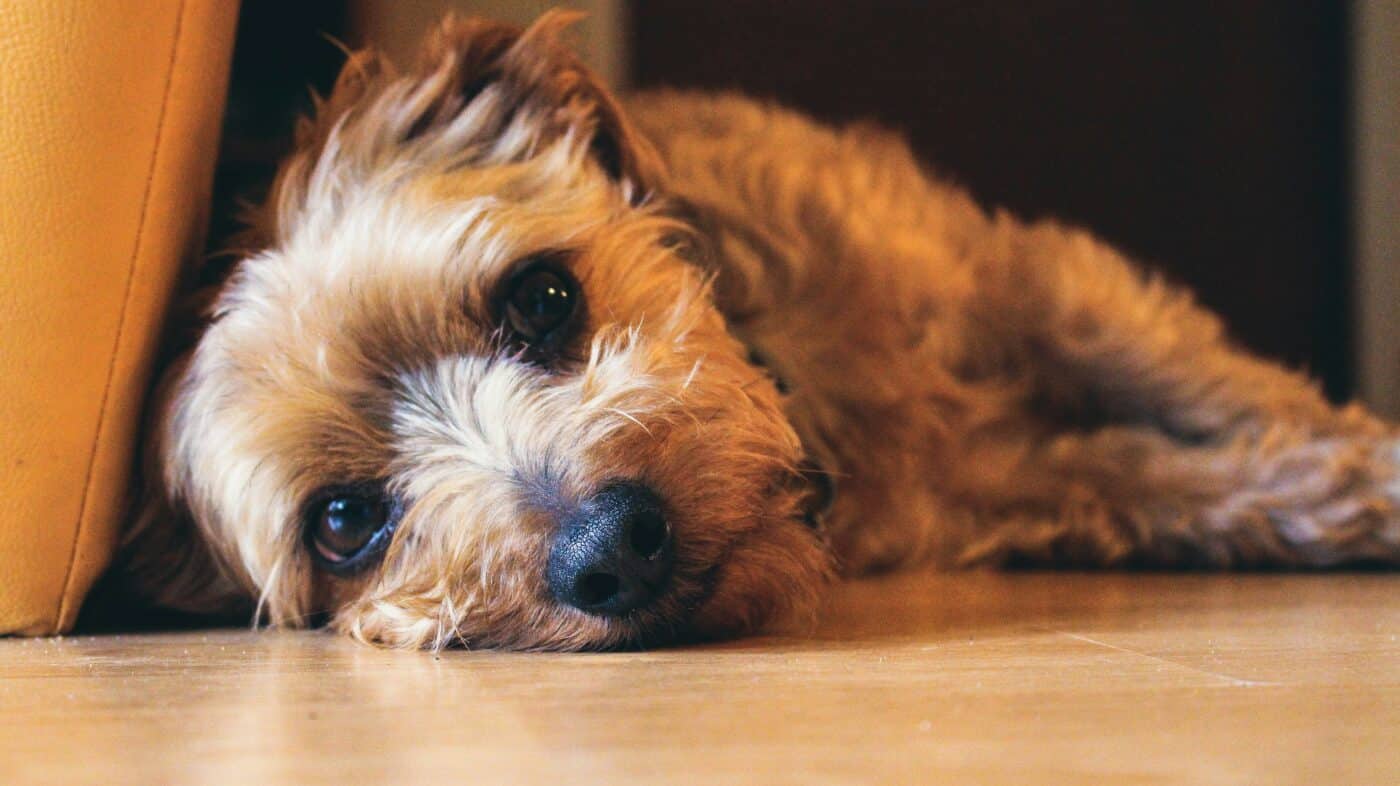
One of the most noticeable signs of depression in dogs is a sudden decrease in appetite. If your dog is usually eager to eat but suddenly shows little to no interest in food, this could be a sign of emotional distress. Dogs, like people, may lose their appetite when feeling sad or anxious. This change in eating habits can also lead to weight loss, which is another indicator that something is wrong. If you notice your dog isn’t eating as much as usual or has stopped eating altogether, it’s essential to investigate further and consult with a veterinarian.
Lethargy and Fatigue
 Shutterstock
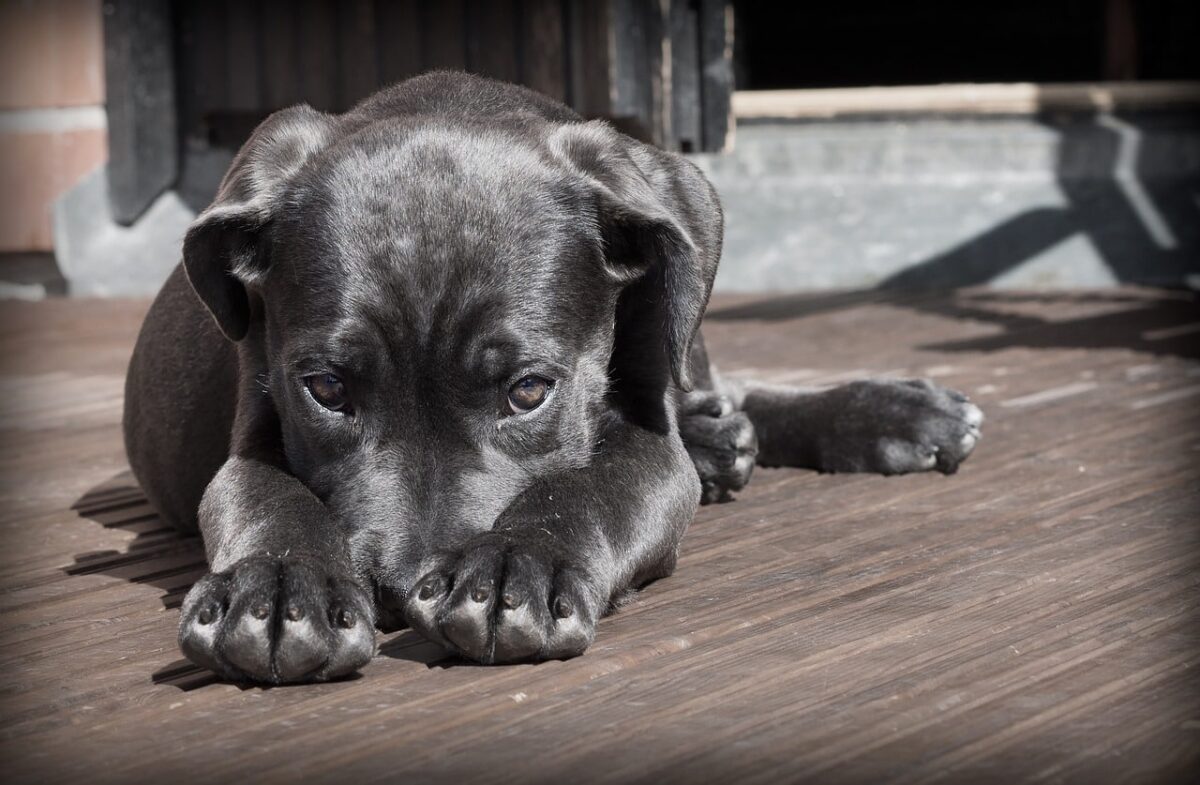
A normally active dog becoming unusually lethargic or tired can be a strong indicator of depression. If your dog seems disinterested in their usual activities, such as walks, playtime, or even interacting with family members, this could be a sign of emotional fatigue. Dogs experiencing depression often lack the energy or motivation to engage in activities they previously enjoyed. This change in behavior can also be accompanied by increased sleep. If your dog is sleeping more than usual and shows no enthusiasm for exercise or play, it might be time to address their mental health.
 Shutterstock
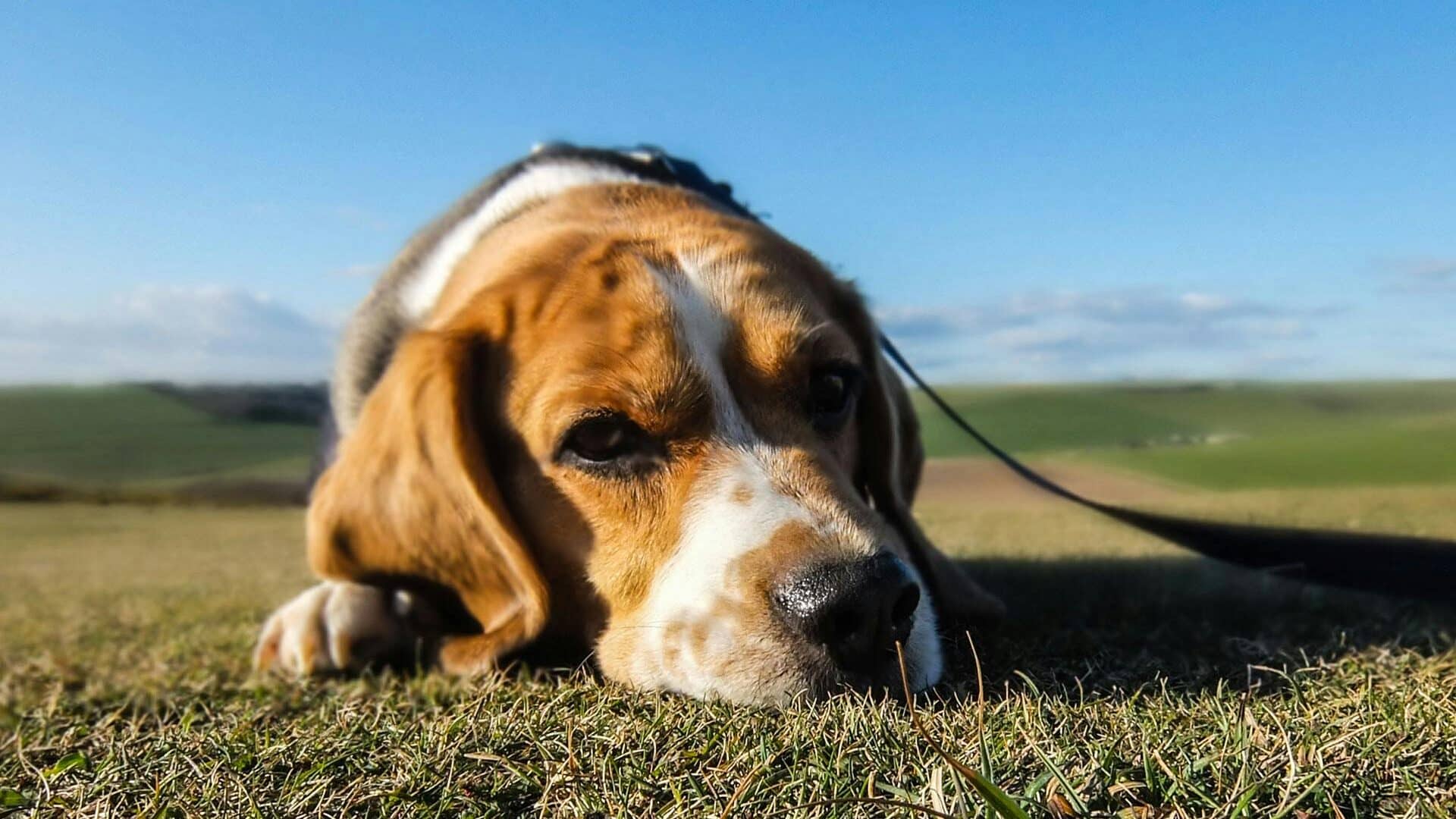
Dogs are social animals that typically enjoy spending time with their owners and other pets. If your dog begins to withdraw from social interactions, preferring to be alone, this could signal that they are feeling down. A depressed dog may avoid eye contact, refuse to participate in family activities, or hide in quiet areas of the house. If your dog no longer greets you enthusiastically at the door or seems uninterested in affection, this behavioral change could indicate depression. Social withdrawal is a clear sign that something is affecting your dog’s emotional state.
Loss of Interest in Toys and Activities
 Shutterstock
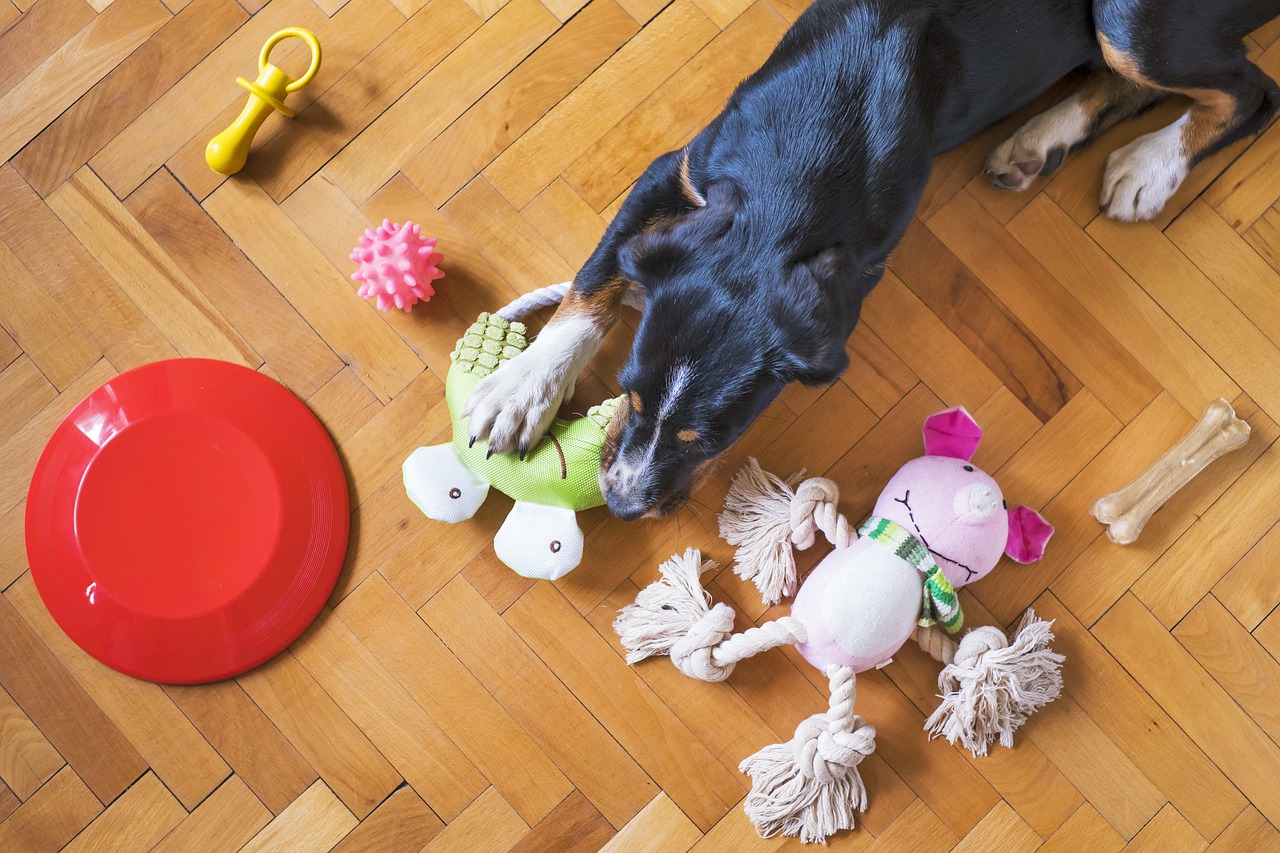
A dog’s enthusiasm for toys and activities is often a reflection of their overall happiness. If your dog suddenly loses interest in their favorite toys, games, or activities, this could be a sign of depression. Depressed dogs may show little excitement for playtime or seem disinterested in exploring their surroundings. This lack of engagement can be especially concerning if your dog was previously very playful and energetic. A decrease in activity levels, combined with a loss of interest in fun or stimulating activities, may indicate that your dog is feeling emotionally unwell.
Excessive Sleeping
 Shutterstock
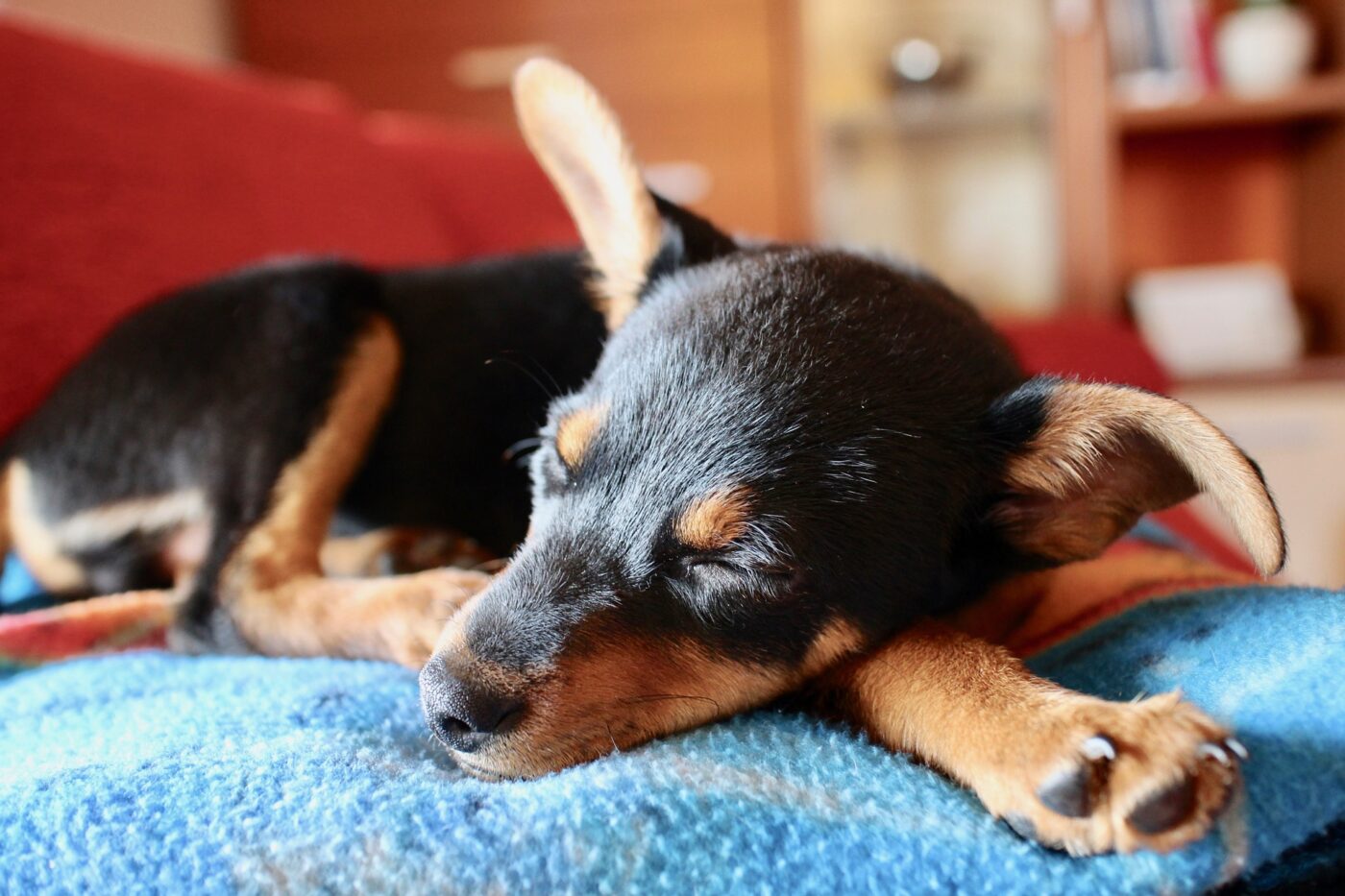
While dogs tend to sleep a lot, particularly as they age, excessive sleeping can be a sign of depression. If your dog is sleeping more than usual and seems to lack the motivation to wake up for meals, walks, or playtime, this behavior might be a cause for concern. Depressed dogs often withdraw from their environment by sleeping more, which can lead to a cycle of inactivity and further emotional distress. If your dog appears overly sleepy or lethargic for extended periods, it’s essential to consider their mental health and consult a vet to rule out any medical issues.
Changes in Grooming Habits
 Shutterstock
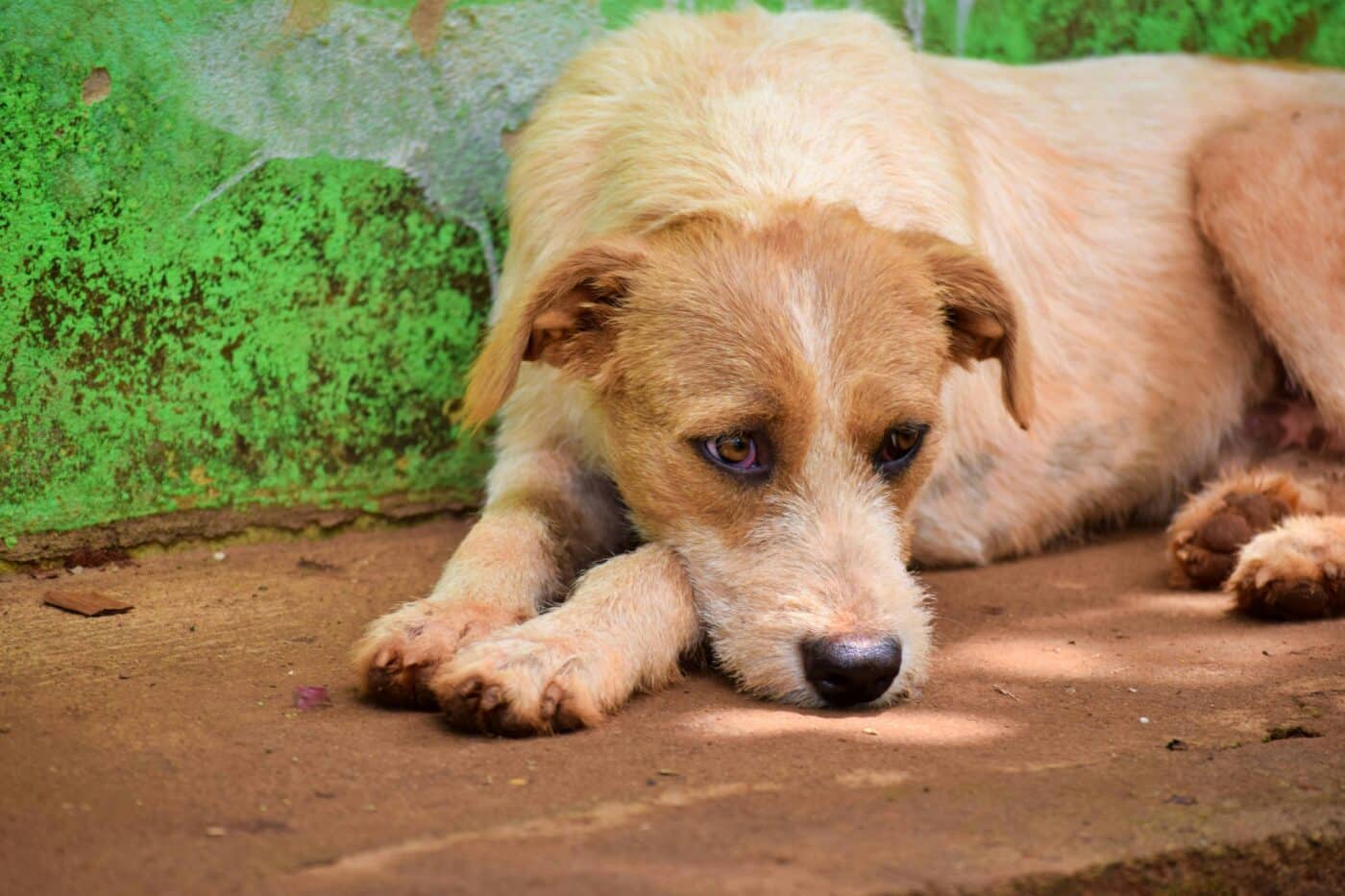
A dog’s grooming habits can offer important clues about their emotional state. Depressed dogs may neglect their usual grooming routines, leading to a coat that appears unkempt or dirty. On the other hand, some dogs may engage in excessive grooming as a coping mechanism for their emotional distress. If you notice your dog is over-grooming, licking certain areas excessively, or completely ignoring their hygiene, it may be a sign that they are feeling anxious or depressed. Changes in grooming behaviors are worth noting and can help you detect emotional issues early on.
Increased Irritability
 Shutterstock
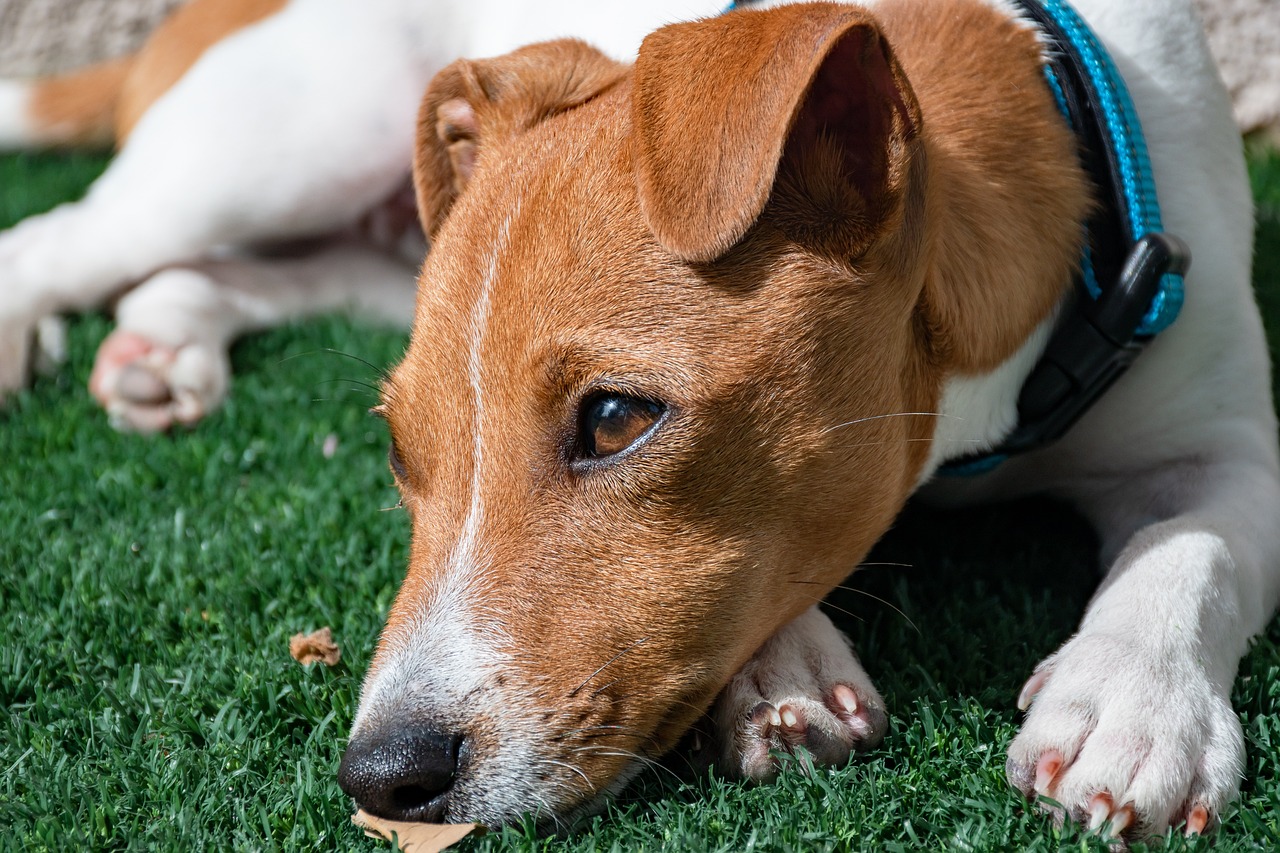
Depression can make dogs more irritable or grumpy than usual. If your normally calm and friendly dog becomes more aggressive, easily startled, or reacts negatively to touch or affection, this could be a sign that they are experiencing emotional difficulties. Depressed dogs may have shorter tempers, growling or snapping more frequently than before. It’s important to recognize these behavioral changes and not dismiss them as mere bad behavior. Increased irritability, especially when paired with other symptoms, can be an indication that your dog is struggling emotionally.
Restlessness or Anxiety
 Shutterstock
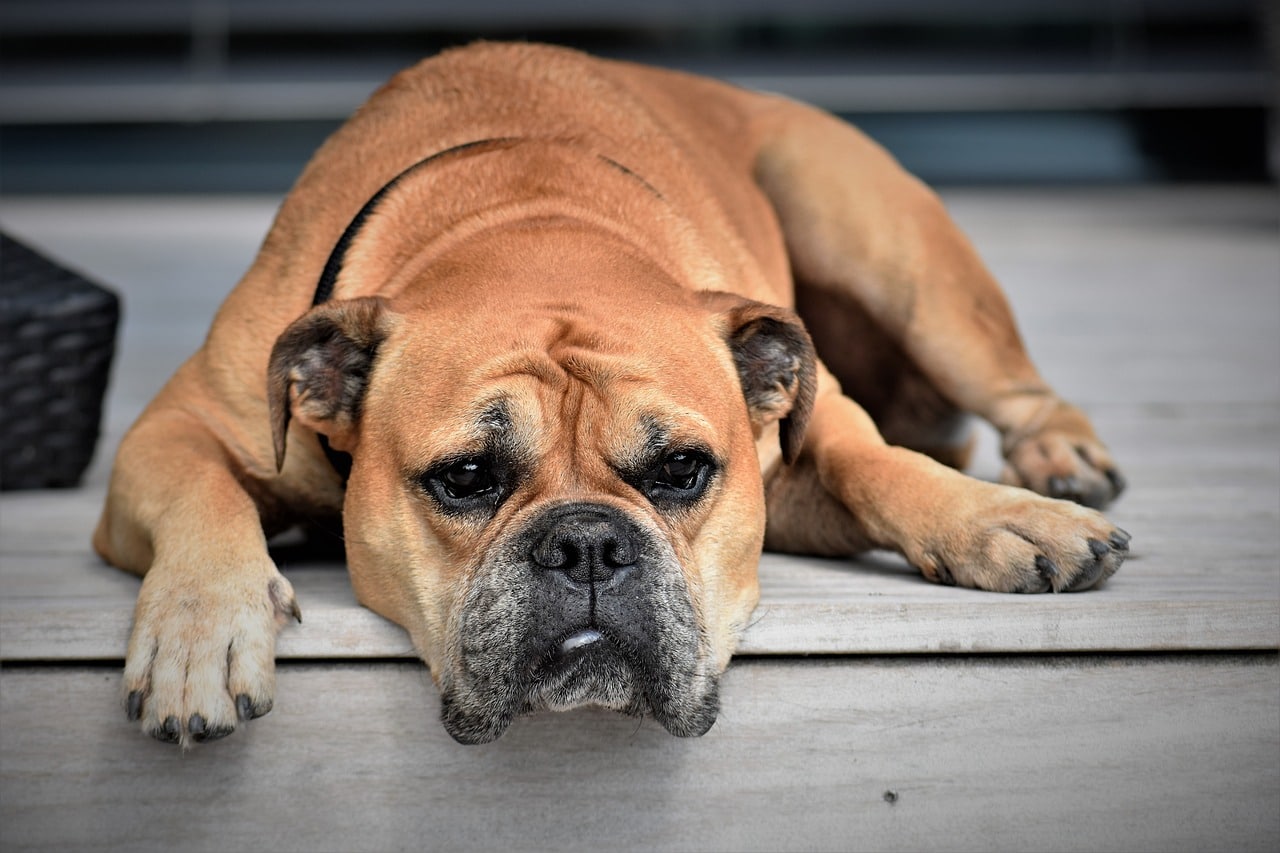
While some dogs become lethargic when depressed, others may exhibit signs of restlessness or anxiety. A dog that is constantly pacing, unable to settle down, or seems on edge may be displaying symptoms of emotional distress. Dogs that are anxious or stressed due to depression may also exhibit destructive behaviors, such as chewing furniture or scratching doors, as a way to cope with their feelings. If your dog’s restlessness is accompanied by nervous behaviors like panting or whining, it’s crucial to investigate the root cause and seek ways to alleviate their anxiety.
Sudden Behavioral Changes
 Shutterstock
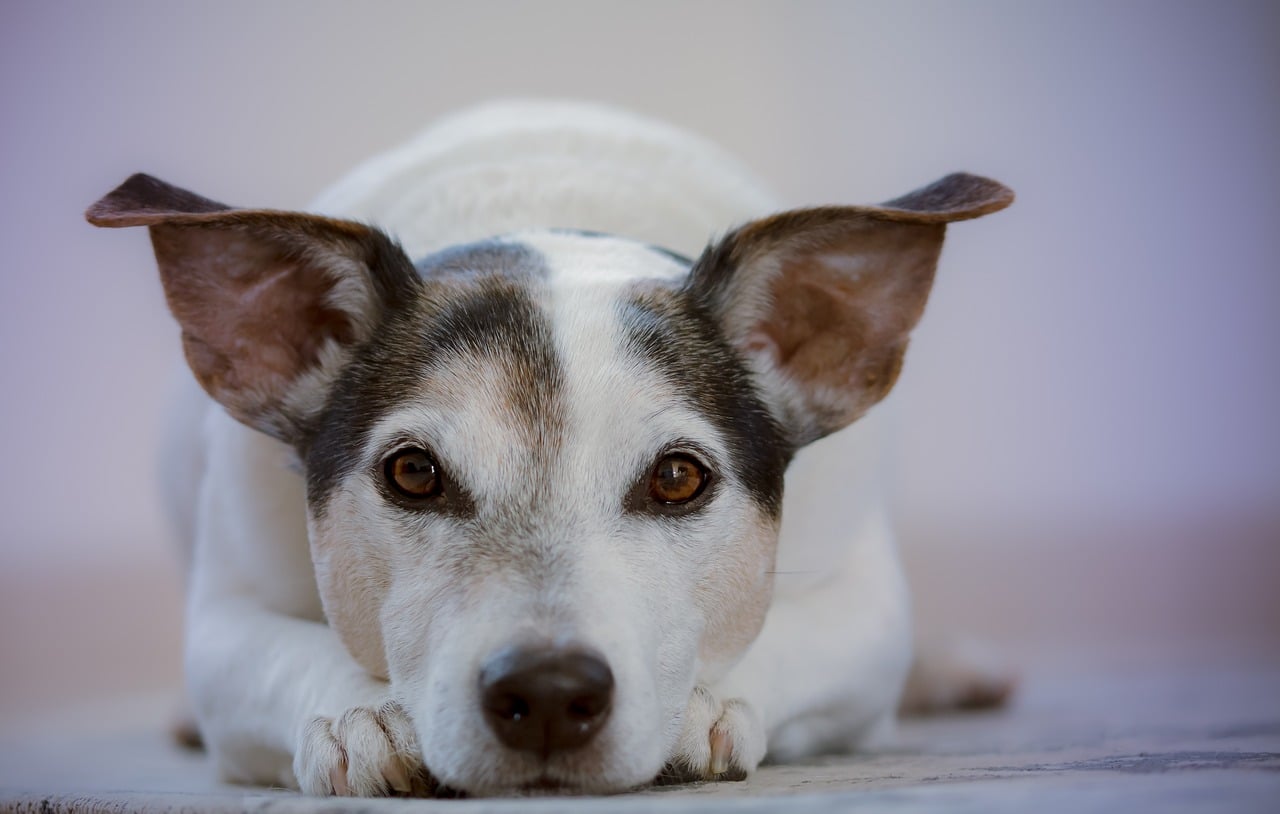
Sudden, unexplained changes in behavior are often a sign that something is wrong. If your dog begins acting differently, such as becoming clingy, overly dependent, or unusually aloof, it could be a sign of depression. Changes in how your dog responds to stimuli, such as new sounds, people, or environments, can indicate that they are feeling emotionally unstable. Pay attention to shifts in your dog’s temperament and mood, as these changes may signal that your dog is struggling with emotional challenges. Early detection and intervention can help prevent further distress.
Lack of Response to Affection
 Shutterstock
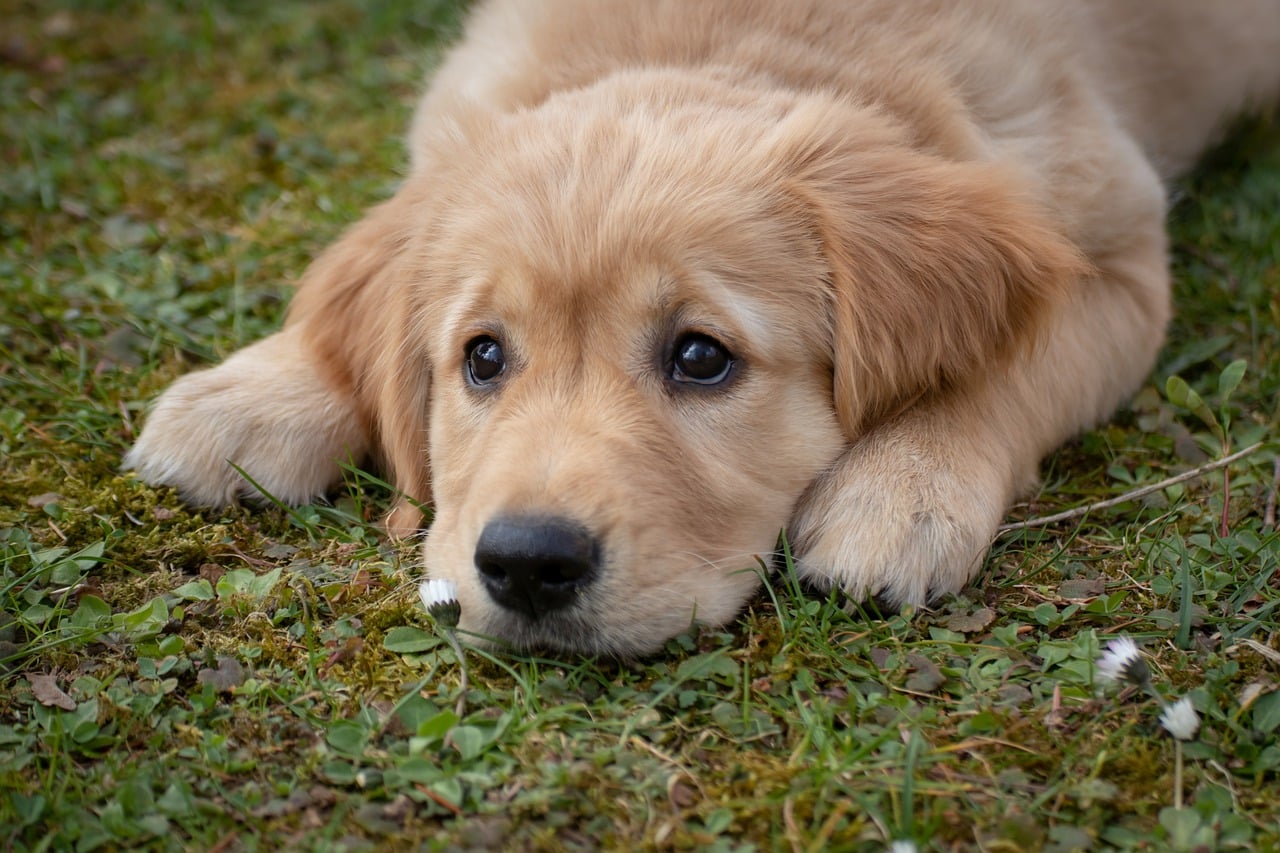
Dogs usually respond positively to affection from their owners, but if your dog seems indifferent or resistant to petting, cuddling, or praise, it could be a sign of depression. A depressed dog may no longer enjoy the physical touch and affection that once made them happy, showing little to no response to your attempts to comfort them. This emotional withdrawal can be especially heartbreaking for pet owners, as it signifies that your dog is not feeling their best. If your dog no longer craves your attention or affection, it’s essential to consider their mental state.
Supporting Your Dog Through Depression
 Shutterstock
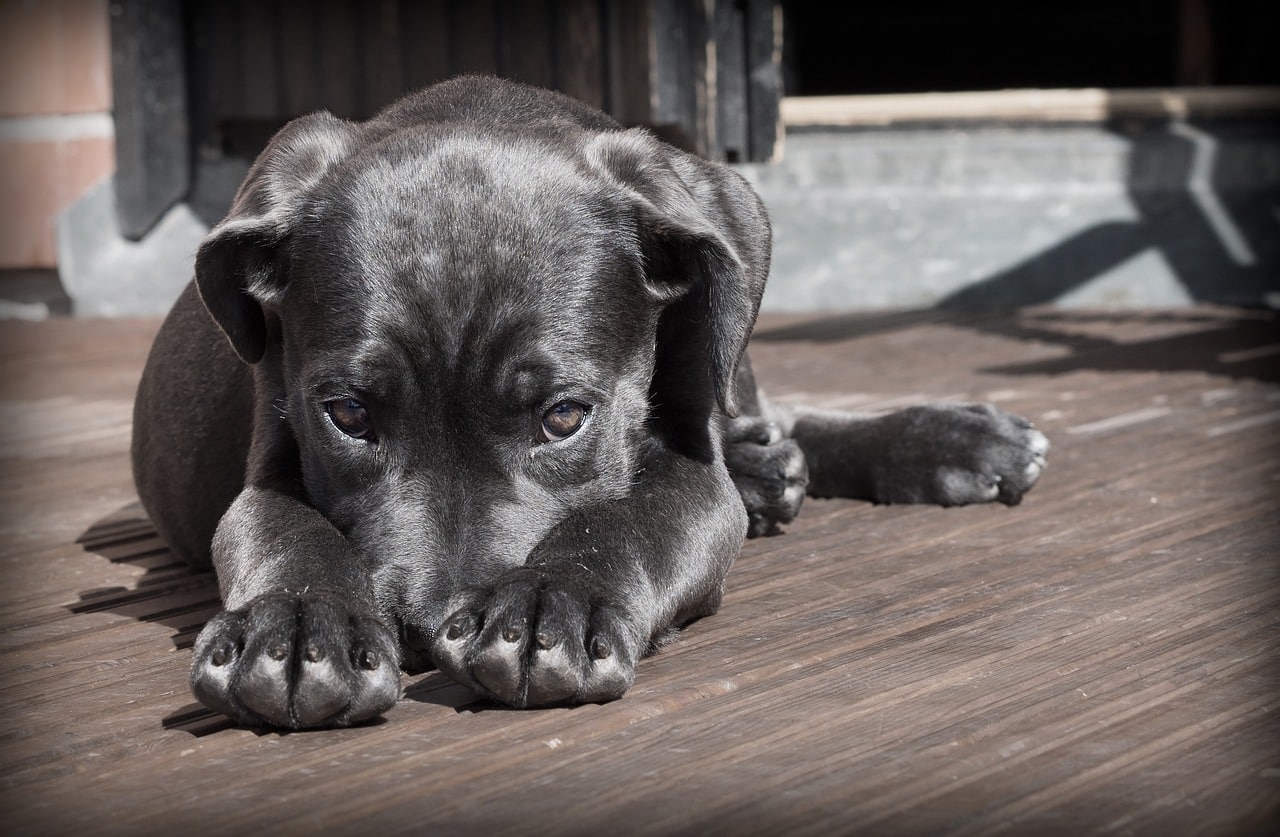
Recognizing the signs of depression in dogs is vital for ensuring they receive the emotional support they need. Changes in appetite, energy levels, or behavior may signal distress, and addressing these early can help improve your dog’s well-being. Depression can stem from various causes, including loss, boredom, or routine changes. By identifying the root cause and providing extra care, you can help your dog regain their happiness. Consulting a veterinarian or behaviorist is crucial to ensure your dog receives the appropriate care and treatment.