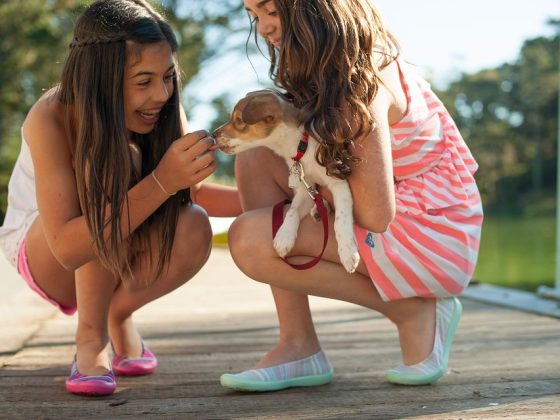

Adding a new puppy to your family is an exciting and rewarding experience, but it also comes with a lot of responsibilities. Proper puppy care is essential for their physical and emotional health, and it’s important to educate yourself on the dos and don’ts of puppy care to ensure your furry friend is happy and healthy. In this comprehensive guide, we will cover everything you need to know about caring for your new puppy.
Dos of Puppy Care:
1. Provide a Nutritious Diet: Proper nutrition is crucial for your puppy’s growth and development. Feed them a high-quality puppy food that is appropriate for their age, breed, and size. Consult with your veterinarian to determine the best diet for your puppy and feed them the recommended amount of food at regular mealtimes.
2. Socialize Your Puppy: It’s important to expose your puppy to new people, animals, and environments from a young age to help them develop good social skills and reduce the risk of behavioral issues later on. Take your puppy to puppy classes, dog parks, and other social settings to help them become well-adjusted adults.
3. Establish a Routine: Dogs thrive on routine, so it’s important to establish a schedule for feeding, potty breaks, playtime, and exercise. Consistency is key when it comes to training your puppy, so stick to a predictable routine to help them feel secure and confident.
4. Provide Plenty of Exercise: Puppies have a lot of energy and need regular exercise to stay healthy and happy. Take your puppy for daily walks, play fetch in the backyard, or engage in interactive play sessions to help them burn off excess energy and stay mentally stimulated.
5. Regular Vet Check-ups: It’s important to take your puppy to the vet for regular check-ups, vaccinations, and preventative care. Your vet can help you establish a vaccination schedule, monitor your puppy’s growth and development, and address any health concerns that may arise.
Don’ts of Puppy Care:
1. Don’t Overfeed Your Puppy: Overfeeding can lead to obesity and other health problems in puppies. Follow the recommended feeding guidelines on your puppy food packaging and monitor your puppy’s weight to ensure they are growing at a healthy rate.
2. Don’t Skip Training: Training is essential for teaching your puppy good manners, basic commands, and proper behavior. Consistent training will help your puppy become a well-behaved adult dog and strengthen the bond between you and your furry friend.
3. Don’t Leave Your Puppy Alone for Extended Periods: Puppies are social animals and thrive on companionship. Leaving your puppy alone for long periods can lead to separation anxiety, boredom, and destructive behavior. If you work long hours, consider hiring a dog walker or pet sitter to provide company and exercise for your puppy.
4. Don’t Ignore Dental Care: Dental health is often overlooked in dogs, but it’s important to establish a regular dental care routine for your puppy. Brush their teeth regularly, provide dental chews or toys, and schedule professional cleanings with your vet to maintain good oral health.
5. Don’t Use Harsh Punishments: Positive reinforcement is the most effective training method for puppies. Avoid using punishment or physical force to correct your puppy’s behavior, as this can damage their trust and hinder their learning. Instead, use treats, praise, and patience to encourage good behavior.
FAQs:
Q: When should I start training my puppy?
A: Training should start as soon as you bring your puppy home. Start with basic commands like sit, stay, and come, and gradually introduce more advanced training as your puppy grows.
Q: How often should I bathe my puppy?
A: Puppies only need to be bathed when they are dirty or smelly. Over-bathing can strip their skin of natural oils and lead to dryness and irritation. Use a gentle puppy shampoo and bathe them as needed.
Q: How can I help my puppy adjust to their new home?
A: To help your puppy adjust to their new home, provide a cozy bed, plenty of toys, and a safe space where they can relax. Spend quality time bonding with your puppy, establish a routine, and offer lots of love and attention to help them feel secure and comfortable in their new environment.
In conclusion, caring for a puppy requires time, dedication, and patience, but the rewards of having a happy and healthy companion are well worth the effort. By following the dos and don’ts outlined in this guide and seeking guidance from your veterinarian, you can provide the best possible care for your puppy and build a strong and lasting bond with them. Remember that every puppy is unique, so be flexible in your approach and always prioritize your puppy’s well-being above all else.