

Hi there, dog parents! Have you ever had the misfortune of having nature’s vampires infest your furry companion? These small ticks can be quite a nuisance, but don’t worry, I’m here to teach you how to remove ticks from dogs and assume the role of a tick-removal ninja for safeguarding your furry friend.
In this blog, I will give you professional tips learned from all the vets around the globe on how to remove ticks from your dog safely and efficiently so that you can keep them healthy and fit. Suppose you are out on a pleasant walk, and your dog is scratching frantically—you lift the fur and find a tiny alien stuck to their body. Eww, right? Panic not; you got this.
Firstly what exactly are ticks? They’re those little blood-drinking bugs that get stuck to your dog’s inaccessible areas and transmit illness. Therefore, they must be removed to prevent them from causing problems for your pooch’s health. Studies by the American Kennel Club, indicate that ticks may infest dogs with Lyme disease, babesiosis, and Ehrlichiosis, among others, within three to six hours upon attachment.
Comprehensive Guide on Tick Removal from Dogs
This comprehensive guide builds upon the essentials, delivering an in-depth investigation into how to remove ticks from dogs through the findings of medical journals and the advice of experienced veterinarians.
Understanding Ticks: The Tiny Vampires
Ticks are eight-legged spider-like parasites with an egg-shaped body that enlarges when feeding off blood. They do not fly or leap but climb or fall upon your dog when walking past woods or grass. They are found in woodlands and grassland, most active during spring to autumn but active every season. Dogs are more prone to getting ticks, though. Cats can avoid them more easily. But for dogs, outdoor activities make them a favorite, and the parasites are waiting eagerly. RSPCA studies bear this out with their widespread nature.
What is the issue? Ticks can spread significant illnesses, so you want them removed. It is hide and seek with little beasts and takes some attention to ensure the dog’s health.
Checking for Ticks: The Hide and Seek Game 
Checking your dog for ticks should be a regular part of your grooming routine, especially during tick season. Here’s how you should do it to make it fun and effective:
- Run your hands over your dog’s coat: Ticks can feel like small bumps or lumps. Run your hands over their coat like giving them a massage while secretly being on a mission to find those blood-sucking vampires.
- Part of the fur: Look for dark spots or insects attached to the skin. Use a flashlight if it’s dim; it’s like you are the mother monkey grooming their own babies. Remember not to try to get nutrients from them, though!
- Check common hiding spots: Ticks love to hide in inaccessible areas like the ears, neck, under legs, between toes, and around the anus. Think of it as checking all the cozy corners of your furry little friend.
- Use a comb or brush: A fine-tooth comb can help detect ticks in thick fur, especially for fluffy breeds. It’s like combing for treasure, but less shiny.
The Merck Veterinary Manual emphasizes early detection, noting that the sooner you find a tick, the less chance of disease transmission. Make this a habit, especially after walks in tick-prone areas.
Removing Ticks: The Ninja Technique
Removing a tick is like surgery, but without the scrubs and anesthesia. You need to be precise and gentle. Here’s the step-by-step process, backed by a 1985 study from Pediatrics (PubMed) evaluating removal methods:
| Step | Details | Why It Matters |
| Prepare your tools | Get fine-tipped tweezers or a tick removal tool, and wear gloves. | Protects you and ensures precision. |
| Grasp the tick | Hold the tick as close to the skin as possible with tweezers. Think of it as picking up a gem. | Ensures you get the head, reducing infection risk. |
| Pull steadily | Pull the tick straight out with even pressure. Don’t twist or jerk. | Prevents leaving the head behind, per expert advice. |
| Check for complete removal | Ensure the head is completely removed. If not, try to remove it or seek vet help. | Reduces risk of infection or disease transmission. |
| Disinfect the area | Clean the bite site with soap and water or an antiseptic. | Prevents secondary infections at the site. |
| Dispose of the tick | Put it in a sealed bag or a container with alcohol. | Ensures the tick is dead and can’t reattach. |

Hold on, what if I don’t have tweezers? Some folks use tick removal instruments such as hooks, which are effective, but tweezers are better. Please don’t use your fingers or household items because they may not be as good. Vets suggest that methods such as petroleum jelly, nail polish, or a hot match did not cause detachment, so use the advised tools.
If the tick is tiny or in a sensitive area like the eye or ear, it’s best to have a vet remove it to avoid harming your dog. The Preventive Vet notes that many pet owners seek vet help for tricky spots, and that’s okay!
After Removal: Keep Watch
After removing the tick, you must monitor your dog for any signs of illness or infection. Here’s what to do:
- Inspect the bite site: Check for redness, swelling, or discharge. If it looks infected, contact your vet.
- Watch for symptoms: Fever, loss of appetite, lethargy, lameness, swollen joints, difficulty breathing, or seizures. If your dog shows any of these, especially within weeks after the bite, seek veterinary care immediately, as per the Blue Cross.
- Keep the tick: Store it in a container with alcohol and label it with the date and location. This can help if your dog gets sick later, aiding identification, as suggested by the Zoetis Petcare.
Preventing Tick Infestations: The Proactive Approach
We all know, prevention is better than cure and as a father figure to your pooch, it is your duty to try and prevent any infestations on your dog. Here are effective strategies to keep ticks at bay:
- Use tick preventatives: Spot-on treatments, oral medications, and collars can repel or kill ticks. Consult your vet to find the best fit, as recommended by the PetMD.
- Keep your yard clean: Mow the lawn regularly and remove debris where ticks hide. Create a barrier with gravel or wood chips near wooded areas, per the RSPCA.
- Check your dog after walks: Always inspect your dog for ticks after outdoor time, paying attention to hidden spots like ears and between toes.
- Vaccinations: Discuss with your vet if vaccines like those for Lyme disease are needed, based on your location and dog’s risk, as noted by the Lebanon Animal Hospital.
Additionally, wear long sleeves, use insect repellent, and check for ticks after walks. It’s a team effort!
Conclusion: Your Tick-Fighting Toolkit 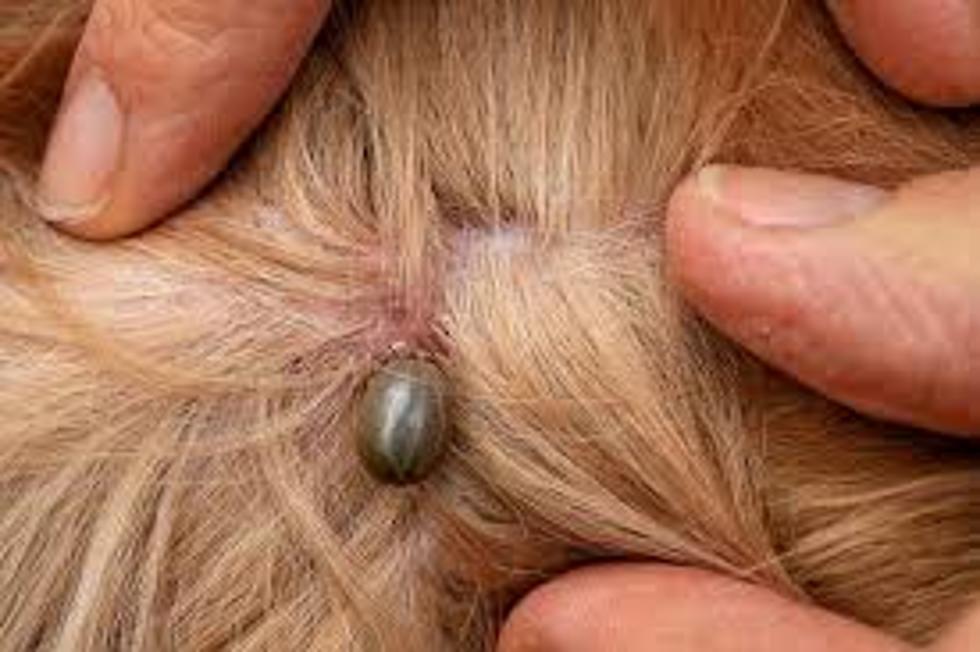
Removing a tick from your dog does not have to be intimidating. You can do it safely and efficiently using the right tools and information. Just be sure to check your dog regularly, remove ticks using the correct method, and prevent future infestations. Following these suggestions will allow you to keep your dog healthy and content-tick-free. If you’re not at ease, don’t be afraid to take your dog to the vet—they’re experts!
This guide is informed by the most up-to-date research and expert opinion, so you’ll be well-prepared to deal with tick troubles. Happy tick-fighting, and may your dog remain tick-free!
Summary of How to Remove Ticks from Dogs
Why It Matters
Ticks are the little parasites that may attach to your dog, suck out blood, and be the vessel carrying ailments like Lyme disease. Quickly eliminating them is necessary to preserve the safety and well-being of your beloved companion animal.
How to Remove Ticks from Dogs Safely
Begin by obtaining fine-pointed tweezers or an instrument to remove ticks and put on gloves to be cautious. Hold the tick to your dog’s skin as near as possible, then withdraw it slowly but firmly without turning or yanking. This should also cause the head to come off, minimizing any chance of infection. Wash the bite spot using soap and water or antiseptic after this, and get rid of the tick using alcohol or seal it in a bag.
After Removal
Monitor the bite area for swelling or redness and be aware of fever or sluggishness, which can be symptoms of a tick-borne infection. Call the vet immediately if the dog is showing signs of disease. It also never hurts to retain the tick as a necessary diagnostic aid.
Unexpected Detail: Prevention is Key
In addition to elimination, employing tick preventatives such as spot-on or collars and maintaining a tick-free yard by frequent mowing can go a long way. This can prevent you from dealing with stress caused by locating ticks.
For more details, check the American Kennel Club guidelines or the Merck Veterinary Manual.
Key Advice
- Research indicates ticks must be removed quickly with fine-tipped tweezers, holding them as close to the skin as possible and pulling slowly.
- Removing the ticks incorrectly leaves the head embedded in the skin, so be careful and follow professional advice.
- Use tick preventatives and regular inspection to minimize tick attachment, particularly in tick-endemic areas.