Bringing a puppy into your home is an exciting and rewarding experience. However, along with the joy and companionship that a new puppy brings, comes the responsibility of ensuring their health and well-being. One crucial aspect of caring for a puppy is grooming. Regular grooming not only keeps your puppy looking clean and fabulous, but it also plays a key role in their overall health and happiness. Here are some grooming essentials for a healthy, happy puppy.
1. Brushing:
Regular brushing is essential for all puppies, regardless of their breed or coat type. Brushing helps to remove loose hair, dirt, and debris from your puppy’s coat, preventing matting and tangles. It also stimulates circulation and distributes natural oils throughout the coat, keeping it healthy and shiny. The frequency of brushing will depend on your puppy’s coat type, but most puppies will benefit from a daily brushing session.
2. Bathing:
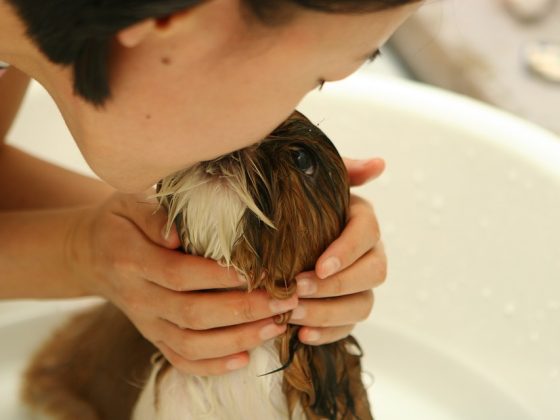
While puppies do not need to be bathed as frequently as adult dogs, it is still important to introduce them to the bathing process early on. Use a gentle, puppy-specific shampoo and lukewarm water to bathe your puppy. Be sure to thoroughly rinse all shampoo residue from their coat to prevent skin irritation. Avoid bathing your puppy too frequently, as it can strip their coat of natural oils and lead to dry, itchy skin. Most puppies will only need a bath every 4-6 weeks, or as needed if they become particularly dirty or smelly.
3. Nail trimming:
Regular nail trimming is essential for maintaining your puppy’s paw health and preventing discomfort or injury. You can trim your puppy’s nails at home using a pair of pet nail clippers, or you can have it done by a professional groomer. Be sure to only trim the very tip of the nail, as cutting too close to the quick can cause bleeding and pain. If you are unsure of how to trim your puppy’s nails, consult with your veterinarian or a professional groomer for guidance.
4. Ear cleaning:
Puppies are prone to ear infections, so it is important to keep their ears clean and dry. Use a gentle, veterinary-approved ear cleaner to remove dirt, wax, and debris from your puppy’s ears. Be sure to avoid inserting anything into your puppy’s ear canal, as this can cause injury or infection. If you notice any redness, swelling, or discharge in your puppy’s ears, consult with your veterinarian for further evaluation and treatment.
5. Dental care:
Good dental hygiene is essential for your puppy’s overall health and well-being. Start by introducing your puppy to a puppy-specific toothbrush and toothpaste, and gradually work up to a daily brushing routine. You can also provide dental chews, toys, or treats to help keep your puppy’s teeth clean and healthy. Regular dental check-ups with your veterinarian are also important for preventing dental issues and maintaining your puppy’s oral health.
FAQs:
Q: How often should I groom my puppy?
A: The frequency of grooming will depend on your puppy’s breed, coat type, and lifestyle. Most puppies will benefit from a daily brushing session, as well as regular baths, nail trims, ear cleanings, and dental care.
Q: Can I groom my puppy at home, or should I take them to a professional groomer?
A: While you can certainly groom your puppy at home, some grooming tasks, such as haircuts or nail trims, may be best left to a professional groomer. If you are unsure of how to groom your puppy or are uncomfortable with certain grooming tasks, consult with your veterinarian or a professional groomer for guidance.
Q: What should I do if my puppy is resistant to grooming?
A: If your puppy is resistant to grooming, start by introducing them to grooming tools and processes gradually and positively. Use treats, praise, and patience to make grooming a positive experience for your puppy. If your puppy continues to resist grooming, consult with a professional dog trainer or behaviorist for further guidance.
In conclusion, grooming is an essential part of caring for your puppy’s health and happiness. By incorporating regular grooming into your puppy’s routine, you can help to keep them looking and feeling their best. Remember to be patient, gentle, and consistent with your puppy’s grooming routine, and consult with your veterinarian or a professional groomer if you have any questions or concerns. With proper grooming and care, your puppy will be healthy, happy, and thriving for years to come.