
end of article.
Training a dog can be a rewarding experience for both you and your furry friend. However, it can also be challenging at times. To help make the process smoother and more successful, here are some dos and don’ts of dog training from experts in the field.
Dos:
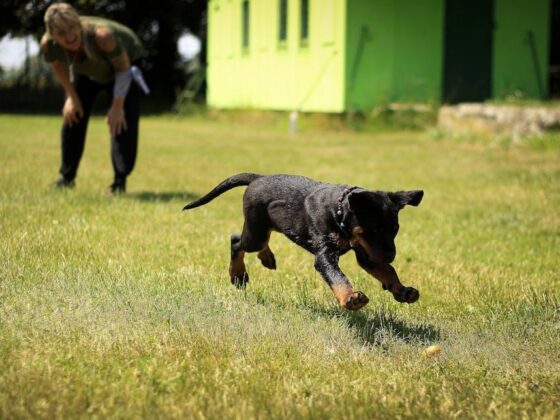
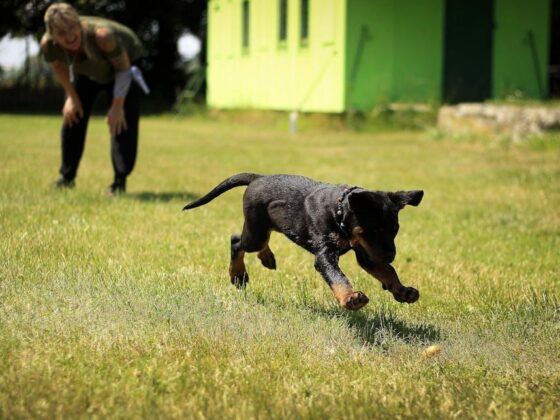
1. Do start training early: The earlier you start training your dog, the better. Puppies are like sponges and can learn quickly, so it’s important to start training as soon as you bring your new pup home.
2. Do use positive reinforcement: Dogs respond well to positive reinforcement, such as treats, praise, and toys. This will help encourage good behavior and make training more enjoyable for both you and your dog.
3. Do be consistent: Consistency is key when it comes to training your dog. Make sure to use the same commands, rewards, and corrections each time you work with your dog to avoid confusion.
4. Do keep training sessions short and fun: Dogs have short attention spans, so it’s important to keep training sessions short and engaging. Aim for 5-10 minute sessions several times a day rather than one long session.
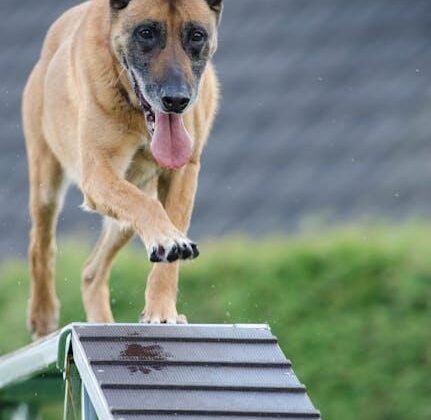
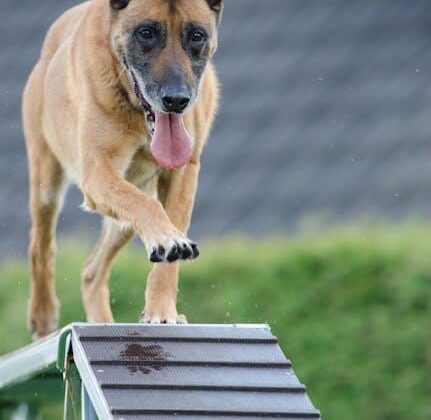
5. Do consider professional training: If you’re struggling with training your dog or if you have specific behavior issues that need to be addressed, consider working with a professional dog trainer. They can provide guidance and support to help you and your dog succeed.
Don’ts:
1. Don’t use punishment: Using punishment as a training method can be counterproductive and lead to fear and anxiety in your dog. Instead, focus on positive reinforcement to encourage good behavior.
2. Don’t expect immediate results: Training takes time and patience, so don’t expect your dog to learn everything overnight. Be patient and consistent in your training efforts.
3. Don’t give up: Training a dog can be challenging, but it’s important to stay committed and not give up. Consistency and patience are key to successful training.
4. Don’t neglect socialization: Socialization is an important part of training for dogs. Make sure to expose your dog to different people, places, and experiences to help them become well-rounded and well-behaved.
5. Don’t train when you’re angry or frustrated: Dogs can sense your emotions, so it’s important to stay calm and patient during training sessions. If you’re feeling frustrated or angry, take a break and come back to training when you’re in a better mindset.
FAQs:
Q: How long does it take to train a dog?
A: The time it takes to train a dog can vary depending on the dog’s age, breed, and temperament. Some dogs may pick up on training quickly, while others may take longer. Consistent training and patience are key to successful training.
Q: Can older dogs be trained?
A: Yes, older dogs can definitely be trained! While puppies may be more receptive to training, older dogs can still learn new behaviors and commands with patience and consistency.
Q: What should I do if my dog is not responding to training?
A: If your dog is not responding to training, it’s important to reassess your training methods and make sure you’re using positive reinforcement. Consider working with a professional dog trainer for guidance and support.
Q: Is it okay to use a shock collar for training?
A: Experts generally do not recommend using shock collars for training as they can be harmful and cause fear and anxiety in dogs. Positive reinforcement methods are more effective and humane for training.
In conclusion, training a dog requires patience, consistency, and positive reinforcement. By following the dos and don’ts of dog training and seeking professional help when needed, you can help your dog become a well-behaved and obedient companion.