
end.
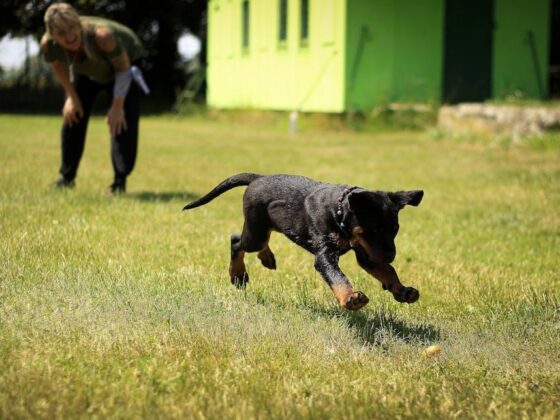
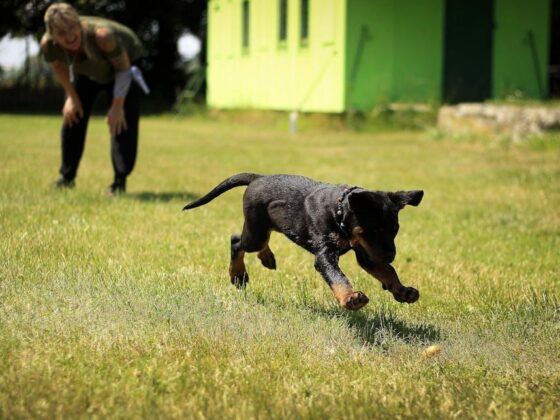
Bringing home a new puppy is an exciting time for any family, but it also comes with the responsibility of properly training your new furry friend. Training a puppy can be a challenging task, but with the right approach and consistency, you can help your puppy grow into a well-behaved and obedient dog. In this article, we will discuss the do’s and don’ts of puppy training to help you navigate this important process.
The Do’s of Puppy Training:
1. Start early: Puppy training should ideally begin as soon as you bring your new furry friend home. The earlier you start training, the easier it will be to establish good habits and prevent bad behaviors from developing.
2. Use positive reinforcement: Positive reinforcement is one of the most effective training methods for puppies. Rewarding good behavior with treats, praise, and play will motivate your puppy to continue performing desired behaviors.
3. Be consistent: Consistency is key when it comes to puppy training. Establish clear rules and boundaries and stick to them. Inconsistency can confuse your puppy and make training more difficult.
4. Keep training sessions short and fun: Puppies have short attention spans, so it’s important to keep training sessions short and engaging. Aim for 5-10 minute sessions several times a day to prevent your puppy from getting bored or frustrated.
5. Socialize your puppy: Socialization is crucial for a well-adjusted and well-behaved dog. Expose your puppy to a variety of people, animals, and environments to help them become more confident and comfortable in different situations.
The Don’ts of Puppy Training:
1. Don’t use punishment: Punishment is not an effective training method for puppies. Using punishment can damage the bond between you and your puppy and lead to fear and anxiety. Instead, focus on positive reinforcement to encourage good behavior.
2. Don’t use physical force: Physical force should never be used when training a puppy. Rough handling or harsh corrections can lead to fear and aggression in your puppy. Use gentle and positive methods to teach your puppy desirable behaviors.
3. Don’t ignore bad behavior: Ignoring bad behavior can reinforce it. Instead, address undesirable behaviors promptly and redirect your puppy’s attention to more appropriate activities.
4. Don’t rush the training process: Training a puppy takes time and patience. Don’t expect your puppy to learn everything overnight. Be patient and consistent, and celebrate small successes along the way.
5. Don’t give up: Training a puppy can be challenging, but it’s important to stay committed and persevere. Consistent training and positive reinforcement will help your puppy become a well-behaved and obedient dog.
FAQs:
Q: How long does it take to train a puppy?
A: Training a puppy is an ongoing process that can take weeks to months, depending on the individual puppy and the desired behaviors. Consistent training and positive reinforcement will help accelerate the learning process.
Q: What are the most important commands to teach a puppy?
A: The most important commands to teach a puppy are sit, stay, come, leave it, and heel. These commands are essential for teaching basic obedience and ensuring your puppy’s safety.
Q: Should I enroll my puppy in a training class?
A: Enrolling your puppy in a training class can be beneficial for socialization and learning basic obedience. However, it’s important to continue training at home to reinforce the lessons learned in class.
In conclusion, training a puppy requires patience, consistency, and positive reinforcement. By following the do’s and don’ts of puppy training and addressing common FAQs, you can help your puppy develop into a well-behaved and obedient companion. Remember, training is a lifelong process, so continue to work with your puppy to reinforce good behaviors and build a strong bond.